 by
by June is the month when your garden bursts into full bloom — but it’s also the time when plants need the most care. With the right June gardening tips, you can keep your flowers, fruits, and vegetables healthy throughout the summer. Whether you’re an experienced gardener or just getting started, this guide will walk you through the essential monthly garden tasks to focus on in June for a thriving outdoor space.
1. Watering Wisely: The Foundation of Summer Garden Care
As temperatures rise, watering becomes your garden’s top priority. But too much or too little water can quickly ruin your hard work. The best approach is to water deeply but less frequently — this helps roots grow stronger and more drought-resistant.
Early morning is the ideal time to water, reducing evaporation and preventing fungal diseases. Focus on the base of the plants rather than their leaves to avoid moisture-related issues.
For gardens in particularly hot regions, consider installing a drip irrigation system (gardeningknowhow.com) for consistent and efficient watering throughout the summer.
2. Weeding: Keep Your Plants Free from Competition
Weeds can take over a garden faster than you think, especially during the warm and humid month of June. Regular weeding is one of the simplest but most essential monthly garden tasks.
Pull weeds early in the morning when the soil is moist — their roots will come out easily. To minimize future weed growth, apply a layer of mulch around your plants. Mulch not only prevents weeds but also helps with moisture retention and temperature control.
If you’re looking for eco-friendly solutions, check out organic weed control methods (epa.gov) to avoid using harsh chemicals in your summer garden care routine.
3. Pruning and Deadheading: Promote New Growth
June is the perfect month to prune spring-flowering shrubs and deadhead annuals. Removing spent blooms encourages plants to produce new flowers, keeping your garden colorful for longer. For shrubs like lilacs or azaleas, trim them right after they finish blooming — pruning too late may affect next year’s flowers.
Deadheading also helps redirect energy from old flowers into new growth. Simply pinch off faded blooms using your fingers or clean pruning shears. This small act can dramatically improve your garden’s appearance and performance.
4. Fertilizing for Summer Strength
Feeding your plants is essential for vibrant growth and strong production. Midway through the growing season, soil nutrients start to deplete — especially in containers and raised beds. Apply a balanced fertilizer or compost to replenish nutrients.
For organic gardeners, homemade compost or worm castings work wonders. A slow-release fertilizer can also be a great option for busy gardeners. Be sure to water your plants before and after applying fertilizer to help nutrients absorb effectively.
For more guidance, read fertilizer basics for home gardens (almanac.com) for expert advice on the best options for your soil type.
5. Pest and Disease Control: Stay Alert
June brings warmth, and with it comes garden pests like aphids, spider mites, and caterpillars. Regular inspection is key to keeping these unwelcome guests under control. Look under leaves and along stems where pests often hide.
If you notice infestations, use natural remedies such as neem oil or insecticidal soap. Encouraging beneficial insects like ladybugs and lacewings is another excellent way to maintain balance in your garden ecosystem.
Remember, prevention is better than cure. Healthy plants are naturally more resistant to pests and diseases, so maintaining consistent summer garden care practices pays off in the long run.
6. Harvesting Early Crops
June is also the time to start harvesting early vegetables and herbs. Lettuce, spinach, peas, and radishes are often ready for picking. Regular harvesting encourages continuous production, ensuring you get the most from your garden.
When harvesting herbs like basil or parsley, trim just above a leaf node — this stimulates fresh growth. For a longer shelf life, wash and dry your harvests immediately and store them properly.
If you’ve planted strawberries, keep an eye out for ripe fruit. Picking them as soon as they ripen prevents rot and invites new blossoms.
7. Planting Warm-Season Vegetables and Flowers
If your spring garden is winding down, June is a great time to plant warm-weather crops. Tomatoes, peppers, zucchini, and beans thrive in the summer heat. For flowers, consider sun-loving varieties like marigolds, zinnias, and cosmos.
These additions not only enhance the look of your garden but also attract pollinators — a key part of maintaining a healthy environment for your plants.
Learn how to plan seasonal planting from our in-depth guide:
Garden Planting Calendar (example.com).
8. Maintain Your Lawn
Summer is also prime time for lawn care. Mow regularly, but avoid cutting the grass too short, as this can stress it during hot months. Aim to keep your grass at about 3 inches high to help it retain moisture and shade the soil beneath.
For a natural lawn boost, leave grass clippings behind after mowing — they act as an organic fertilizer. Water deeply and early in the morning, just as you would with your flower beds.
9. Prepare for Heatwaves
June weather can be unpredictable, with sudden heatwaves or dry spells. Protect delicate plants by providing shade during extreme temperatures. Move potted plants under partial shade or use lightweight shade cloths.
Adding mulch around plants and keeping the soil moist will also help them survive intense heat. You can even install a simple rain barrel system to collect water for future use — a great addition to your summer garden care strategy.
10. Enjoy Your Garden!
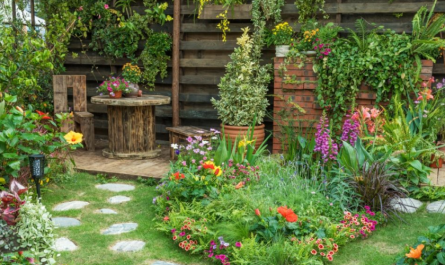
After all the hard work, don’t forget to enjoy your beautiful outdoor space. Add some comfortable garden furniture, soft lighting, and a small water feature to turn your backyard into a relaxing retreat. Gardening isn’t just about maintenance — it’s about creating a space that brings joy.
For inspiration on improving your outdoor setup, visit our article on
Outdoor Garden Ideas for Beginners (example.com).
And for more professional landscaping advice, explore summer gardening guides (bhg.com) to keep your garden stunning all season long.
Conclusion
June is a critical month for keeping your garden vibrant, productive, and healthy. By following this June gardening checklist, you’ll ensure that your plants stay well-watered, pest-free, and thriving all season. With the right mix of care and planning, your summer garden can become a peaceful, beautiful retreat filled with color and life.
From watering routines to harvesting tips, every small step contributes to your garden’s success. So grab your gloves, get outside, and put these June gardening tips into action today!