 by
by In today’s tech-driven world, your smartphone is more than just a communication tool — it’s your camera, entertainment hub, and digital wallet. With so much daily use, protecting it becomes essential. One of the simplest yet most effective ways to ensure your phone’s longevity is by using a smartphone screen protector. But with so many types and brands available, how do you pick the best screen protector for your device? In this guide, we’ll share expert tips to help you make the right choice for ultimate phone protection.
Why a Smartphone Screen Protector Is a Must
Many users underestimate the importance of a smartphone screen protector until they experience a cracked display or deep scratch. Your phone’s screen is one of its most vulnerable components, and even minor accidents can lead to expensive repairs. A good screen protector not only prevents scratches and cracks but also adds an extra layer of phone protection against fingerprints, dust, and impacts.
Modern screen protectors are designed to be nearly invisible, ultra-thin, and highly responsive — so you won’t have to compromise on touch sensitivity or display quality.
Types of Smartphone Screen Protectors
Before choosing the best screen protector, it’s crucial to understand the different types available. Each offers unique features depending on your usage, lifestyle, and preferences.
1. Tempered Glass Screen Protectors
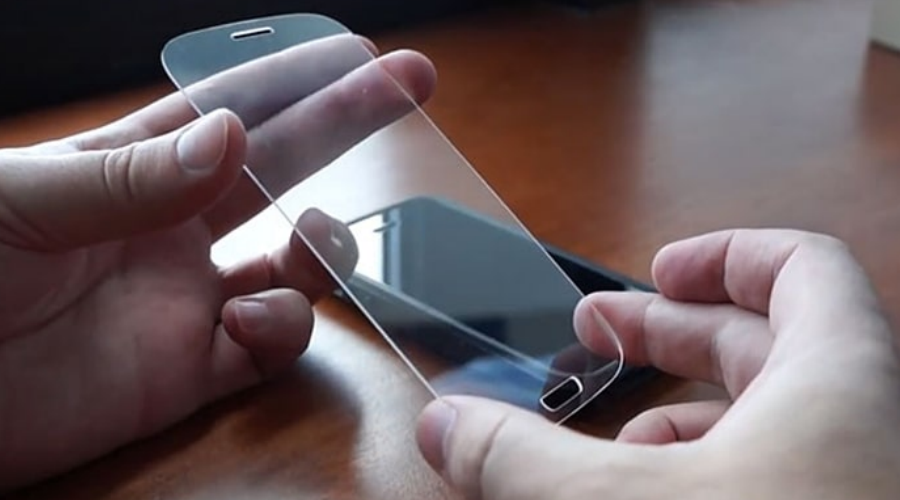
Tempered glass protectors are the most popular option for phone protection. Made by heating and rapidly cooling glass, they offer high durability and shock resistance. These protectors can withstand significant drops and provide a smooth, glass-like feel that’s close to your phone’s original screen.
Pros:
- Superior protection against drops and scratches
- Easy to clean and maintain
- Feels like your actual screen
Cons:
- May slightly increase screen thickness
- Can shatter under extreme pressure (protecting your screen in the process)
2. Plastic Film (PET and TPU) Protectors
Plastic screen protectors, typically made from PET or TPU material, are thinner and more flexible than glass. While they don’t offer the same level of impact resistance, they do protect against scratches and minor abrasions. These are perfect for users who want light phone protection without extra bulk.
Pros:
- Affordable and lightweight
- Easy to apply and replace
- Does not affect screen brightness
Cons:
- Less effective against drops
- Can develop bubbles during installation
3. Privacy Screen Protectors
If you frequently use your phone in public, a privacy smartphone screen protector is an excellent choice. These protectors limit the viewing angle, so only you can see what’s on your screen. They combine the durability of tempered glass with the benefit of visual privacy.
Pros:
- Prevents prying eyes from viewing your screen
- Provides decent impact protection
Cons:
- Reduces screen brightness
- Can affect color accuracy slightly
4. Anti-Glare and Matte Protectors
For outdoor users or gamers, anti-glare and matte protectors can be a game-changer. These best screen protector types reduce reflections and fingerprints while improving visibility under bright lighting conditions. However, they may slightly affect screen clarity.
These are perfect for users who spend a lot of time under direct sunlight or prefer a smooth, non-slippery surface for better control during gaming.
Key Factors to Consider When Choosing the Best Screen Protector
Now that you know the types available, let’s explore the essential factors you should consider to find the perfect smartphone screen protector for your device.
1. Compatibility with Your Device
Always choose a protector designed specifically for your phone model. A perfectly aligned protector ensures proper coverage of your screen and camera while avoiding interference with sensors or fingerprint scanners. Many brands now offer protectors tailored to specific devices like the iPhone 15 or Samsung Galaxy S24.
2. Level of Protection Needed
Ask yourself: how often do you drop your phone? If you’re prone to accidents, a tempered glass protector is your best bet. However, if you’re more concerned about scratches from keys or coins, a PET or TPU film might be enough.
3. Installation Process
Look for protectors that come with installation kits or alignment frames. These tools make applying your smartphone screen protector simple and bubble-free. Some premium protectors even include dust removal stickers and microfiber cloths for a perfect finish.
For a step-by-step installation guide, check out Android Authority’s guide on applying screen protectors.
4. Touch Sensitivity and Clarity
Some low-quality protectors may reduce touch response or dull your display’s colors. The best screen protector maintains full touch sensitivity and a crystal-clear view. Always choose a high-transparency protector with a 9H hardness rating for the best results.
5. Additional Features
Many modern protectors offer added functionalities such as:
- Anti-blue light: Reduces eye strain during prolonged use.
- Oleophobic coating: Prevents smudges and fingerprints.
- Hydrophobic coating: Repels water and sweat for better visibility.
These features ensure your phone protection goes beyond just scratches — they enhance comfort and usability as well.
Expert Recommendations for Top Brands
If you’re wondering which brands offer the best screen protector options, here are some expert-approved names to consider:
- Spigen – Known for durable tempered glass protectors that provide premium phone protection.
- ZAGG InvisibleShield – Offers anti-glare, anti-blue light, and privacy options.
- amFilm – Affordable, high-quality glass protectors for various devices.
- Belkin – Apple-certified protectors with edge-to-edge coverage and flawless clarity.
You can explore more screen protector reviews at TechRadar’s Best Screen Protectors Guide.
Common Mistakes to Avoid
Even the best screen protector won’t work effectively if not applied correctly or matched to your device. Here are a few common mistakes to watch out for:
- Buying universal-sized protectors that don’t fit properly
- Applying on a dirty or dusty screen
- Reusing an old protector after removal
- Overlooking key features like fingerprint sensor compatibility
To learn more about cleaning and maintaining your device before application, read our in-depth post on How to Keep Your Smartphone in Perfect Condition (example.com).
When to Replace Your Screen Protector
Screen protectors aren’t meant to last forever. Over time, scratches, chips, or peeling edges can compromise their effectiveness. Experts recommend replacing your smartphone screen protector every 6–12 months, or immediately after a major drop.
If you notice decreased touch sensitivity or visible cracks, it’s time for a replacement. Regularly updating your protector ensures your phone protection stays at its best.
Final Thoughts: Investing in Quality Phone Protection
Your smartphone is a valuable investment — and so is protecting it. A high-quality smartphone screen protector safeguards your device against scratches, impacts, and everyday wear. When combined with a durable case, you get full phone protection that keeps your screen flawless for years.
Don’t settle for the cheapest option — instead, look for trusted brands that balance protection, clarity, and touch sensitivity. With these expert tips, you can confidently choose the best screen protector that suits your phone and lifestyle.
For more practical tech tips, check out our guide on Best Smartphone Accessories for Everyday Use (example.com) and discover how to elevate your mobile experience.