

 by
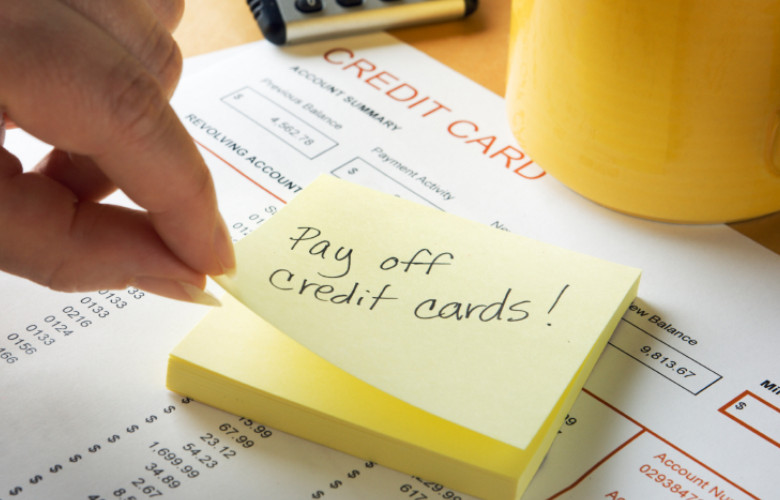
by If you’re struggling with credit card debt, you’re not alone. Millions of people face high-interest balances that seem impossible to pay off. But with the right strategy, you can take control, pay off your debt faster, and save hundreds — even thousands — in interest payments.
In this guide, we’ll walk through proven methods to eliminate credit card debt efficiently. You’ll also discover smart budgeting tips, repayment strategies, and tools to help you stay debt-free for good.
1. Understand Your Credit Card Debt
Before creating a repayment plan, start by understanding how much you owe and to whom. Make a list of all your cards, including balances, interest rates, and minimum payments. This gives you a clear picture of your total credit card debt and helps identify which debts to prioritize.
High-interest cards cost you the most over time, so targeting them first usually saves the most money. You can use free tools like NerdWallet Debt Calculator or Bankrate to analyze repayment options.
2. Choose the Right Debt Repayment Strategy
The Snowball Method
Start by paying off your smallest balance first while making minimum payments on the others. Each time you clear a debt, roll that payment amount toward the next smallest debt. This approach builds motivation and momentum as you see progress faster.
The Avalanche Method
If you want to save more on interest, the Avalanche Method focuses on paying off high-interest debts first. By tackling the highest interest rate, you minimize total interest payments and reduce your credit card debt faster in the long run.
Hybrid Strategy
Can’t decide? Combine both. Pay off one small balance for motivation, then switch to the highest-interest card next. The key is consistency — whichever method keeps you committed is the best one.
3. Consider a Balance Transfer
A balance transfer allows you to move your credit card debt to a new card with a lower or 0% introductory interest rate. This means more of your payments go toward the principal rather than interest. Many banks offer 0% APR balance transfer cards for 12 to 18 months.
Check offers from trusted providers like Credit Karma or Experian to compare balance transfer options. Remember, some cards charge a small transfer fee (typically 3–5%), so calculate if the savings outweigh the cost.
4. Negotiate Lower Interest Rates
Did you know you can call your credit card company and ask for a lower interest rate? If you have a good payment history, they might agree to reduce it. A lower APR means you’ll pay off your credit card debt faster and save more money over time.
Here’s a quick script you can use:
“Hi, I’ve been a loyal customer for several years, but my current interest rate is higher than average. Could you review my account to see if I qualify for a lower rate?”
It only takes a few minutes and could save you hundreds in interest each year.
5. Automate and Prioritize Payments
Late payments add fees and hurt your credit score. Automate your payments to ensure you never miss a due date. Even automating just the minimum payment helps avoid penalties. Then, make additional payments whenever you can — even small extra payments accelerate your credit card debt payoff.
If you receive bonuses, tax refunds, or freelance income, allocate a portion toward your debt. These lump-sum payments significantly shorten your repayment timeline.
6. Cut Unnecessary Expenses
Every dollar you save can go toward your debt. Review your monthly budget and identify where you can cut costs — unused subscriptions, dining out, or impulse purchases. Redirect that money toward your credit card debt each month.
Use tools like Mint or You Need a Budget (YNAB) to track spending and identify savings opportunities. The goal is to create extra cash flow without compromising essential needs.
7. Increase Your Income
Paying off debt faster is easier when you earn more. Consider picking up a side hustle, freelancing, or selling unused items online. Platforms like Upwork or Fiverr let you earn extra income using your existing skills.
Even an extra $200 a month can make a big difference when applied consistently to your credit card debt.

8. Consolidate Your Debt
If you’re juggling multiple cards with different due dates, consider consolidating them into one loan. A personal loan with a lower interest rate simplifies payments and can help you pay off credit card debt faster.
Compare consolidation loan options through LendingTree or SoFi. Always review fees and interest rates to ensure the new loan genuinely benefits you.
9. Avoid New Debt
It’s tempting to use credit cards again once you’ve made progress, but this slows your journey. Keep one low-limit card for emergencies and avoid carrying balances. Create a solid emergency fund so unexpected costs don’t force you back into credit card debt.
For more financial planning insights, check out our related post on The Ultimate Monthly Budget Plan That Actually Works.
10. Track Your Progress and Celebrate Wins
Paying off credit card debt is a marathon, not a sprint. Track your progress monthly using a spreadsheet or an app. Seeing your balances shrink keeps you motivated.
Celebrate milestones along the way. When you pay off a card, reward yourself with a low-cost treat — something small to reinforce your progress without setting you back.
11. Seek Professional Help if Needed
If you’re overwhelmed or struggling to manage payments, professional help is available. Certified credit counseling agencies can negotiate with creditors and help you create a repayment plan. These services are often free or low-cost.
Visit the National Foundation for Credit Counseling (NFCC) or Consumer Financial Protection Bureau (CFPB) for reputable counseling resources.
12. Build Better Financial Habits
Once you’ve paid off your credit card debt, focus on building strong financial habits to stay debt-free. Pay your full balance monthly, track spending, and set financial goals. These habits protect your progress and build long-term financial freedom.
Learn more about improving financial health in our post on Top Investment Strategies for 2025.
Conclusion: Your Path to Financial Freedom
Paying off credit card debt takes time, discipline, and strategy — but it’s absolutely achievable. By choosing the right repayment method, cutting unnecessary expenses, and staying consistent, you can regain control of your finances and build lasting wealth.
The sooner you start, the faster you’ll enjoy a life free from debt and full of financial confidence.