 by
by 
1. What Is a Plant-Based Diet?
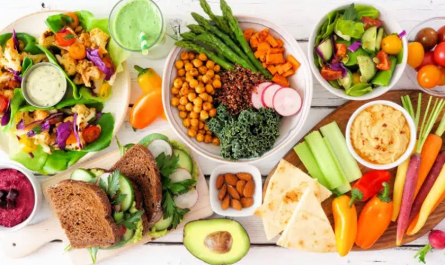
A plant-based diet focuses primarily on foods derived from plants — fruits, vegetables, grains, legumes, nuts, and seeds — while limiting or eliminating animal products. Unlike veganism, which excludes all animal-derived ingredients, plant-based eating is flexible, allowing occasional consumption of animal foods in moderation.
The key idea behind this approach is to make plant foods the center of your meals. For example, think of a quinoa salad topped with roasted vegetables, chickpeas, and avocado rather than a meat-heavy entrée. This balance supports both healthy eating and environmental sustainability. According to Healthline, research shows that people who follow plant-based diets tend to have lower risks of chronic diseases, including heart disease, type 2 diabetes, and certain cancers.
2. Health Benefits of Plant-Based Eating
Transitioning to plant-based diets isn’t only about ethics or sustainability — it’s about long-term wellness. Studies show that eating more whole plant foods can improve overall vitality, help with weight management, and enhance longevity.

Improved Heart Health
A diet rich in vegetables, whole grains, and nuts supports cardiovascular function. According to the American Heart Association, plant-based diets can reduce LDL (“bad”) cholesterol levels and lower blood pressure, significantly decreasing the risk of heart disease.
Better Weight Management
Plant foods are naturally low in calories and high in fiber, which promotes satiety and helps control cravings. A healthy eating pattern that emphasizes plants can make weight loss sustainable — without counting every calorie. Many athletes and celebrities attribute their energy and endurance to plant-based nutrition.
Lower Risk of Chronic Diseases
Research published in PubMed indicates that plant-based eaters experience reduced risks of diabetes, hypertension, and some cancers. The high concentration of antioxidants and phytonutrients helps reduce inflammation and protect against cellular damage.
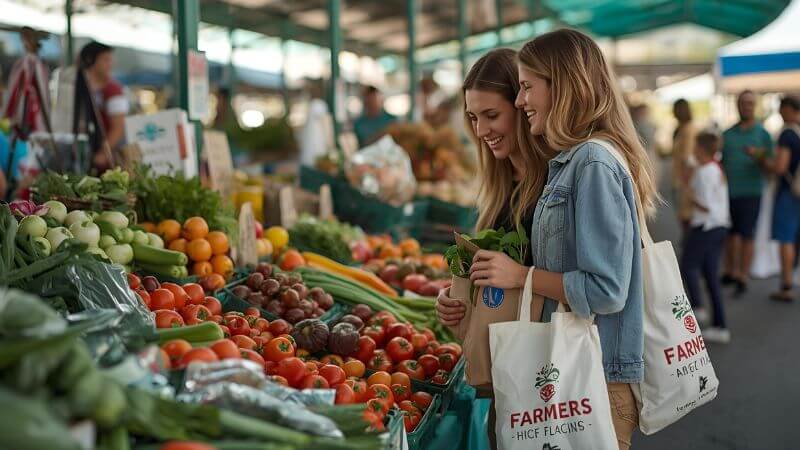
3. Sustainable Nutrition for the Planet
One of the most powerful reasons people switch to a plant-based diet is to protect the environment. Animal agriculture contributes heavily to greenhouse gas emissions, deforestation, and water usage. In contrast, plant-based food systems require fewer natural resources and emit significantly less carbon.
According to the United Nations Environment Programme, adopting a plant-based lifestyle can reduce global emissions by up to 70% by 2050 if widely adopted. That means every plant-based meal you eat helps combat climate change and conserve biodiversity.
For individuals passionate about sustainability, this is one of the most meaningful lifestyle changes possible.
4. How to Transition to a Plant-Based Lifestyle
Shifting to a sustainable nutrition plan doesn’t need to be overwhelming. Start small and gradually increase your plant-based meals each week. Here’s a step-by-step approach to making it easy and enjoyable:
- Start with familiar meals: Replace ground beef in tacos with lentils or black beans.
- Incorporate meatless days: Try “Meatless Mondays” to experiment with vegetarian dishes.
- Focus on whole foods: Choose unprocessed grains, legumes, and vegetables for maximum nutrients.
- Explore global cuisines: Mediterranean, Thai, and Indian meals naturally include plant-forward dishes.
Helpful resources like One Green Planet and Forks Over Knives offer recipe inspiration and nutritional guidance for beginners.
For more practical tips, see our guide on Healthy Eating Made Easy (example.com) and explore Sustainable Food Choices (example.com) for meal ideas aligned with eco-conscious living.
5. Common Myths About Plant-Based Diets
Despite the growing evidence supporting plant-based diets, misconceptions still linger. Let’s debunk a few:
“You won’t get enough protein.”
It’s a common myth that only meat provides adequate protein. In reality, plant foods like lentils, tofu, quinoa, tempeh, and chickpeas are rich in protein. The Harvard School of Public Health confirms that plant proteins can meet all your dietary needs when eaten in variety.
“Plant-based diets are expensive.”
In fact, cooking with beans, rice, and seasonal produce is often cheaper than buying meat or processed foods. Websites like Budget Bytes offer simple, low-cost recipes for plant-based meals that anyone can make.
“You need supplements for everything.”
While Vitamin B12 supplementation is essential, most nutrients can easily be obtained through varied plant foods. Always consult a registered dietitian before starting new supplements to maintain balanced healthy eating.
6. Easy Plant-Based Meal Ideas
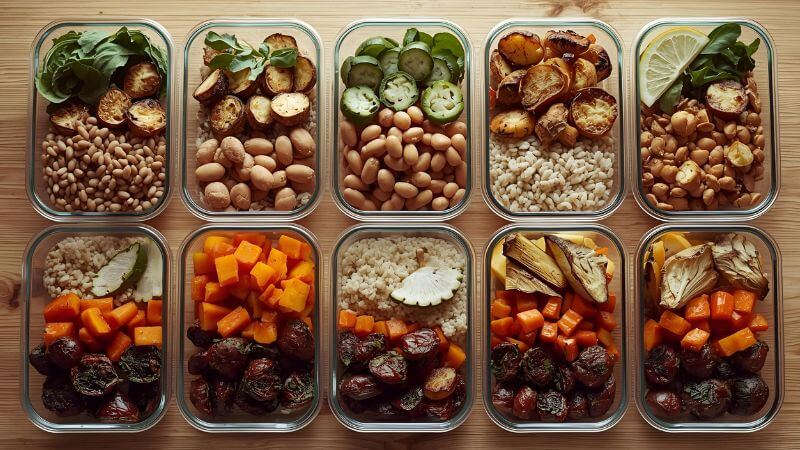
Ready to get started? Here are a few easy plant-based meals to kick off your new lifestyle:
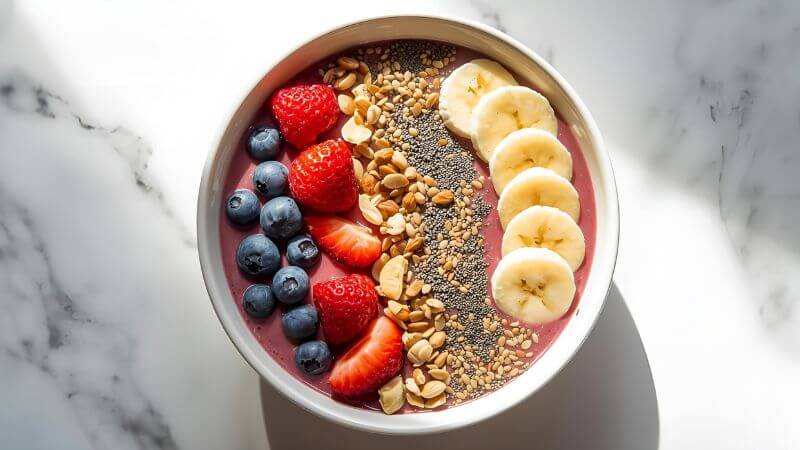
- Breakfast: Overnight oats with almond milk, chia seeds, and fresh berries.
- Lunch: Whole grain wrap filled with hummus, spinach, cucumbers, and roasted peppers.
- Dinner: Lentil curry with brown rice and sautéed greens.
- Snack: Roasted chickpeas or trail mix with nuts and dried fruit.
For more inspiration, check out BBC Good Food’s Vegan Collection and Delish for creative and delicious recipes that prove healthy eating can be simple and satisfying.
7. The Long-Term Impact of Sustainable Eating
Embracing a plant-based lifestyle isn’t just a personal choice; it’s a contribution to a healthier planet. The cumulative effects of millions of individuals eating more plants can lead to massive environmental improvements, reduced deforestation, and better use of global resources.
As the World Wildlife Fund notes, reducing animal product consumption by even 50% globally could significantly lower water waste and carbon emissions. That’s the power of collective action through conscious food choices.
8. Final Thoughts: A Path to Health and Harmony
Adopting a plant-based diet can transform your health and support a more sustainable future. You don’t need to go completely vegan overnight — even small steps toward eating more plants can make a huge difference.
By focusing on whole, minimally processed foods and supporting sustainable farming practices, you’ll not only nurture your body but also help build a healthier planet for generations to come. Start today, one meal at a time, and experience the true balance of healthy eating and sustainable nutrition.