 by
by In 2025, artificial intelligence is redefining nearly every industry—from finance to entertainment—and now, it’s transforming the way we eat. Welcome to the era of AI-generated meal plans: a revolutionary approach to personalized nutrition that promises to take the guesswork out of healthy eating.
With rising concerns about chronic diseases, fitness goals, food intolerances, and busy lifestyles, millions are turning to technology to help them eat better. AI meal planning tools are no longer just a novelty—they’re becoming an essential tool for optimizing health, saving time, and even cutting food waste.
What Are AI-Generated Meal Plans?
AI-generated meal plans use machine learning algorithms and data analysis to create customized eating schedules for individuals. These plans consider your age, weight, health conditions, fitness goals, dietary preferences, allergies, budget, and more to design meals that match your needs precisely.
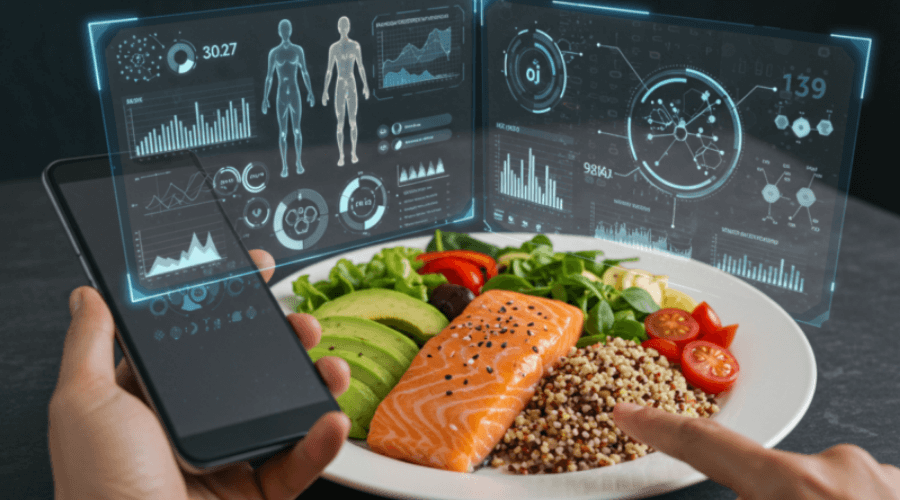
Unlike traditional meal planning, which relies on generic templates or static diets, AI systems continuously learn and adapt to your body, lifestyle, and food choices. Some platforms even integrate real-time data from wearables and health tracking apps to fine-tune nutritional recommendations.
How AI Is Changing Nutrition
The idea of a “one-size-fits-all” diet is becoming obsolete. Today’s health-conscious consumers are demanding tailored solutions. That’s where AI excels—by analyzing massive datasets from scientific research, biometric feedback, food diaries, and even your grocery receipts.
For example, AI can analyze how your blood sugar responds to certain meals using input from glucose monitors. If your energy crashes after eating white rice, the algorithm will suggest an alternative like quinoa or lentils. If you’re low on Vitamin D during the winter months, the system may recommend foods or supplements accordingly.
With AI, personalization isn’t just a bonus—it’s the foundation.
Key Features of AI Meal Planning Tools
1. Smart Personalization
AI takes into account a wide range of factors: weight loss or muscle gain goals, medical conditions like diabetes or hypertension, fitness routines, food intolerances, religious restrictions, and more. It can also adjust to feedback, such as preferences or skipped meals.
2. Recipe Recommendations and Substitutes
AI tools often include vast recipe databases. If you dislike mushrooms, the system can instantly suggest a substitute without compromising your nutritional intake. If you’re out of eggs, it can recommend chia seeds as a vegan alternative.
3. Grocery List Generation
Once your weekly plan is created, AI can generate a precise grocery list based on what you already have in your pantry. Some platforms even connect directly to online grocery delivery services for ultimate convenience.
4. Real-Time Adjustments
If your schedule changes or you miss a meal, AI adjusts the rest of your day’s intake to maintain your caloric and nutrient goals.
5. Integration With Wearables
Advanced platforms can connect with fitness trackers like Fitbit, Apple Watch, or Oura Ring to monitor activity levels, sleep quality, and hydration—modifying meal suggestions accordingly.
Top AI Meal Planning Apps in 2025
Some of the most popular AI-powered nutrition apps include:
-
EatThisMuch – Creates automatic meal plans based on calorie and macro targets.
-
Lumen – Uses a breathalyzer device to assess your metabolism in real time.
-
Foodvisor – Uses AI-powered food recognition to analyze meals through a photo.
-
Senza – Focuses on low-carb and keto-based meal plans with deep personalization.
-
Bite AI – Integrates with continuous glucose monitors for highly tailored recommendations.
These apps are constantly evolving, adding voice assistants, barcode scanning, and even AI chefs that generate custom recipes based on your pantry.
Benefits of AI-Powered Nutrition
1. Improved Health Outcomes
Studies show that personalized diets lead to better adherence and more sustainable results. AI-generated meal plans can support weight loss, muscle gain, hormonal balance, and chronic disease management with greater precision than generic diets.
2. Time and Money Savings
Meal planning, shopping, and cooking can be time-consuming. AI tools streamline this entire process, reduce impulse purchases, and help minimize food waste.
3. Enhanced Food Variety
AI meal planners often introduce you to new ingredients and international cuisines while keeping your meals within nutritional boundaries. This helps prevent boredom and increases the likelihood of diet success.
4. Data-Driven Insights
AI can highlight patterns you might miss, such as micronutrient deficiencies or habits like skipping breakfast. These insights can guide lifestyle improvements beyond just nutrition.
The Future: AI Nutrition Meets Genomics
The next frontier in AI-generated meal planning is the integration of genomics and microbiome analysis. Companies like Viome and Nutrigenomix are already offering personalized food recommendations based on your DNA and gut bacteria.
Imagine a system that knows your genetic predisposition to high cholesterol, your gut microbiome diversity, and your hormonal cycle—all integrated into your meal plan. That’s where AI is headed, offering an even deeper level of customization.
Potential Concerns and Limitations
While the benefits are substantial, there are still limitations. AI is only as good as the data it receives. If users input incorrect information or don’t follow the plan, outcomes may vary. Additionally, some apps may not account for cultural preferences or locally available foods.
Privacy is another concern. Many apps require access to sensitive health data, so users must choose platforms that prioritize data encryption and transparency.
Lastly, AI should complement—not replace—registered dietitians or doctors, especially for those with medical conditions requiring clinical oversight.
Final Thoughts
AI-generated meal plans represent the future of personalized nutrition in 2025. With the ability to adapt, learn, and evolve alongside your health journey, AI makes it easier than ever to eat smarter, live healthier, and reach your goals.
Whether you’re a busy professional, a fitness enthusiast, or someone managing a health condition, integrating AI into your nutrition strategy can make a measurable difference.
The best time to start? Now. Because in the age of data-driven health, the smartest diet isn’t the newest trend—it’s the one built specifically for you.
You can also read HERE about AI-generated meal plans