
 by
by Coins often gather dust in forgotten drawers, jingle loosely in old jars, or remain tucked away in attic boxes for years. Most of them are worth exactly what their face value states, such as 1p, 2p, or perhaps 50p. But every once in a while, one coin stands out and surprises everyone. A single 1933 penny, for example, sold at auction for 140000 pounds. That is the real excitement behind discovering true **UK coin value**. Whether you are just beginning your journey in **coin collecting** or you want to improve your existing **coin appraisal** skills, this guide will walk you through nine clear and practical steps. There is no complicated jargon and no unnecessary guesswork, only straightforward advice that helps turn spare change into real money. Let us get started right away.
The Royal Mint produces millions of coins every single year, yet rare examples still manage to slip through the production process, including those with low mintages, minting errors, or limited commemorative editions. Condition, current market demand, and historical significance all play important roles in determining final price. With the right knowledge and a bit of patience, **coin collecting** can become much more than a simple hobby, it can turn into a smart investment. For a strong starting foundation, take time to explore the Royal Mint collecting guides.
Step 1: Identify the Basics of Your Coin
Every successful appraisal begins with the most obvious details about the coin you hold. What exact coin is it? Look carefully at the **denomination**, whether it is a penny, sixpence, florin, or modern pound. Check the **date** clearly marked on the surface. Is the coin from before 1971, which means it belongs to the pre-decimal era, or does it come after that change? Flip the coin over and examine both sides. The **obverse** side usually features the portrait of the reigning monarch, such as Queen Victoria, King George V, Queen Elizabeth II, or now King Charles III. The **reverse** side displays the main design, which could be Britannia, a shield, or a special commemorative image.
Next, pay attention to the **material** the coin is made from. Early examples were often struck in silver or gold, while modern coins tend to use copper-plated steel or bi-metallic combinations. Examine the **edge** as well, is it milled with fine ridges, completely smooth, or does it carry inscribed lettering? Measure both **weight** and **diameter** accurately using a digital scale and a caliper. These specific measurements help confirm the coin’s authenticity. For instance, fake versions of the 1983 New Pence 1 pound coin appear frequently in the market. A genuine example weighs exactly 9.5 grams and measures 22.5 millimeters across.
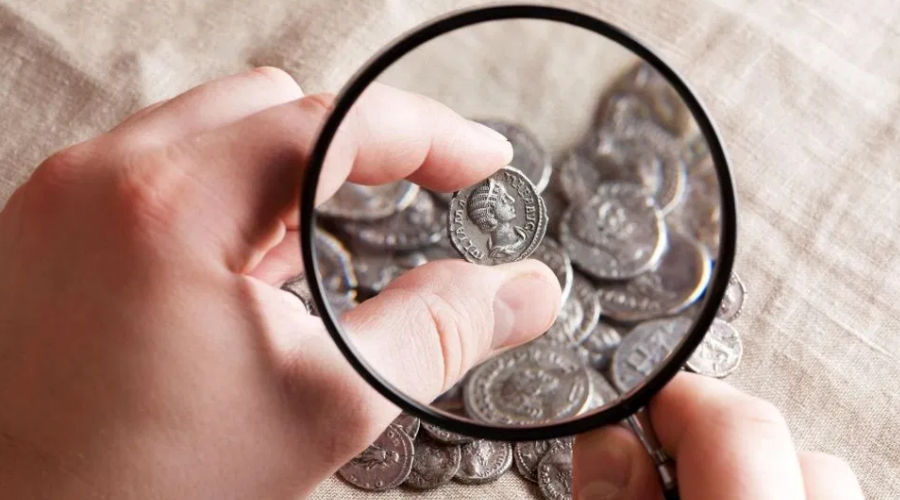
Accurate identification forms the essential foundation for determining **UK coin value**. Always use a 10x magnifier for close inspection and take high-quality photographs of both the front and back. This simple practice prevents expensive errors later in the process.
Must-Know UK Coins for Collectors
Certain coins deserve immediate attention from anyone interested in the hobby:
- 1937 Edward VIII patterns, which can reach up to 1 million pounds
- 2009 Kew Gardens 50p, worth over 200 pounds even in circulated condition
- 1983 New Pence 1 pound error, valued at 500 pounds or more in fine grade
Knowing these examples helps you recognize potential treasure quickly. See our complete rare UK coins list for additional details.
Step 2: Research Mintage Numbers
Rarity is the primary driver of value, and **mintage** provides the first solid clue. Exactly how many coins were produced? The Royal Mint publishes official production figures every year. A 1707 Queen Anne 5 pound coin had a mintage of only **one** piece, making it worth millions today. Compare that to the 2012 Olympic 50p series, where some designs reached over 2 million, yet rare errors still command 100 pounds or more.
You can find mintage information in the annual **Spink Coins of England** catalogue or through free online resources like the Change Checker website. Coins with mintage below 100000 often carry significant premiums. Proof sets are produced in even smaller numbers. Low mintage figures signal strong potential during **coin appraisal**.
Step 3: Grade the Coins Condition
Condition is not just a matter of good or bad, it represents everything in valuation. The same coin graded **Poor** versus **Uncirculated** can differ in price by thousands of pounds. Use the standard British grading scale for consistency:
- Poor: Details are illegible and the coin is heavily worn
- Fine: Main details remain visible despite moderate wear
- Very Fine: Light wear with sharp features still present
- Extremely Fine: Only trace wear and nearly full original luster
- Uncirculated: No wear at all and fresh from the mint
- Proof: Mirror-like finish and completely flawless
Never clean coins under any circumstances. Cleaning destroys natural toning and drastically reduces value. Silver coins that develop attractive rainbow toning often sell for higher prices. Examine under bright light with a loupe and be completely honest in your assessment, many collectors tend to overgrade their own pieces. This step alone determines 80 to 90 percent of **UK coin value**.
If you want absolute certainty, submit the coin to **LCGS UK** or **NGC UK** for professional grading. A certified and slabbed coin typically sells for 20 to 50 percent more on platforms like eBay.
Step 4: Hunt for Errors and Varieties
Minting mistakes create some of the most legendary and valuable coins. The **1983 1 pound New Pence** error occurred when old dies were accidentally reused, resulting in coins now worth 500 to 1000 pounds in VF condition. The **2008 undated 20p** appeared due to a die clash that omitted the date, making it worth 50 pounds or more even from pocket change. Other common errors include:
- Doubled dies where letters appear shadowed
- Visible die cracks across the surface
- Mule coins combining wrong obverse and reverse
Consult reliable resources such as the Change Checker error tracker or the British Numismatic Journal. Online forums can offer insights, but always verify information independently. One incorrectly identified error can lead to hundreds of pounds lost.
Top Error Coins to Watch
Stay alert for the **2011 Aquatics 50p** which remains in high demand from the Olympic series or the extremely rare **1936 dot penny**, a Canadian-UK hybrid that can reach thousands of pounds.
Step 5: Use Online Price Guides and Sold Data
Knowledge is readily available and often free. Begin with **eBay sold listings**. Filter results to UK only and completed sales, then focus on your exact coin specification. Calculate the average price over the past 6 to 12 months. Avoid current bids since they do not reflect final realized values.
Other trustworthy sources include:
- Coin News Magazine which provides monthly price updates
- Numista offering a comprehensive global catalog with strong UK coverage
- PCGS CoinFacts delivering detailed population reports
If the coin contains gold or silver, check the current spot price and add a 10 to 20 percent premium. This data forms the backbone of accurate **coin appraisal**.
Step 6: Refer to Specialist Catalogues
Every serious collector invests in **Spinks Coins of England and the United Kingdom**. Updated annually, this catalogue serves as the definitive reference and costs around 30 pounds. Local libraries frequently stock copies. Digital versions are available through various apps.
Older references like the **Seaby Standard Catalogue** provide valuable historical context. For coins with international UK connections, consult **Krause World Coins**. These publications are essential tools in any **coin collecting** library.
Step 7: Visit Dealers or Attend Auctions
Nothing compares to hands-on experience with professionals. Visit established dealers such as **London Coins**, **Baldwins**, or **Spink** in central London. Most offer free verbal appraisals on the spot. Bring clear photographs and detailed notes about each coin.
Auctions reveal true market dynamics. Observe live sales at **Dix Noonan Webb** or **Spink** to see actual hammer prices, which reflect what serious buyers are willing to pay rather than optimistic asking prices. Dealers typically purchase at 50 to 70 percent of retail value. Selling directly often yields higher returns.
Step 8: Get Professional Grading and Certification
For maximum return, consider professional slab grading. **LCGS UK** and **NGC UK** authenticate, grade, and encapsulate coins for 15 to 50 pounds each. Processing time ranges from 4 to 8 weeks.
The benefits include verified provenance, physical protection, and increased buyer trust. A graded MS65 50p sells faster and at a higher price than an identical raw example. This step is especially important for coins valued above 500 pounds.
Step 9: Decide Whether to Sell or Hold
Market timing can make a significant difference. Gold sovereigns often rise alongside bullion prices. Commemorative 5 pound crowns tend to peak shortly after release. Remember capital gains tax rules, no tax applies if annual profit stays below 6000 pounds.
Selling options include:
- eBay with high-quality photographs
- Catawiki for broader European reach
- Local dealers for immediate cash
Hold onto true rarities. Carefully selected coins typically appreciate 5 to 10 percent each year. Treat **coin collecting** as part of a diversified investment strategy. Learn more in our sell coins UK guide.
Essential Tools for Every Collector
Build a proper toolkit from the start:
- 10x loupe magnifier for detailed inspection
- Digital scale accurate to 0.01 grams
- Cotton gloves to prevent fingerprints
- Archival albums or protective capsules
- Annual Spink catalogue subscription
Precision and care begin with the right equipment.
Avoid These Common Coin Appraisal Mistakes
Never clean coins under any circumstances because it permanently damages natural toning and reduces value significantly. Avoid the temptation to overgrade your pieces. Calling a Fine coin Extremely Fine only leads to disappointment. Always verify provenance carefully since counterfeit rarities appear regularly. Consider joining the **British Numismatic Society** to gain wisdom from experienced members.
The Future of UK Coin Collecting
King Charles III definitive coins launched in 2023 and introduced fresh designs. New issues inevitably produce new errors worth watching. Commemorative releases continue to attract strong interest. Digital tools including apps and AI-assisted grading make **coin collecting** more accessible than ever. Yet physical coins retain their timeless appeal and the hobby continues to grow steadily.
Conclusion: Start Appraising Your Coins Today
Nine practical steps lead to one clear goal, unlocking the true **UK coin value** hidden in your collection. From identifying monarch portraits to spotting valuable mint errors, **coin collecting** rewards both curiosity and careful attention to detail. Master the art of **coin appraisal** and that humble 50p in your pocket might fund an entire holiday. Begin with just one coin today. Check its date and design carefully. You never know what you might discover. What is the oldest coin you currently own? Share your story in the comments below.