
 by
by Gardening is more than just a hobby—it’s a lifestyle that connects us to the Earth. With rising awareness of climate change and food safety, sustainable gardening is becoming a movement toward healthier living and environmental care. Whether you have a backyard or a few containers on a balcony, anyone can grow organic vegetables using eco-friendly gardening practices that nurture both soil and soul.
Learn more about sustainability in gardening from the EPA
1. Start with Healthy Soil: The Foundation of Sustainable Gardening
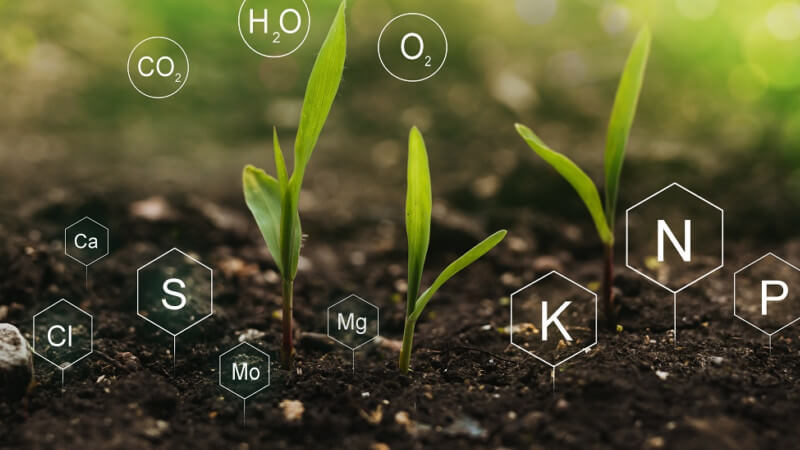
Healthy soil is the heart of sustainable gardening. Instead of relying on synthetic fertilizers, build soil fertility naturally with compost, leaf mulch, and organic matter. Composting food scraps, grass clippings, and dry leaves reduces waste and enriches your soil with essential nutrients. According to NRDC, composting can cut household waste by up to 30% while boosting soil health.
Soil rich in microbes and worms not only grows stronger plants but also helps trap carbon in the ground—a win for the environment. Use natural amendments like bone meal or fish emulsion rather than chemical fertilizers. These release nutrients slowly, improving soil texture and water retention over time.
When planning your garden bed, avoid compacting the soil. Raised beds or no-dig methods promote aeration and biodiversity beneath the surface. No-dig gardening keeps ecosystems intact, allowing beneficial fungi and bacteria to flourish.
Quick Tip:
Test your soil’s pH once a year with a simple kit from your local nursery. Slightly acidic soil (around 6.0–6.8) is ideal for most organic vegetables.
See our internal guide to building organic soil (example.com)
2. Choose Native and Seasonal Plants
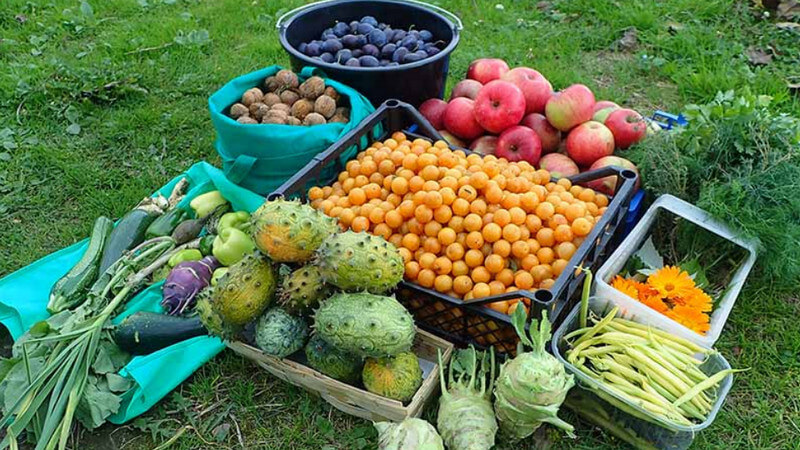
One of the best principles of eco-friendly gardening is working with nature, not against it. Native and seasonal plants are adapted to local weather and pests, meaning they need less water, fertilizer, and attention. Growing tomatoes, peppers, and spinach during their natural season ensures maximum yield with minimal environmental impact.
According to Audubon, native plants support local pollinators like bees and butterflies that are crucial for fruit production. This synergy between native flora and beneficial insects keeps your organic vegetables thriving naturally.
Compare this to exotic plants that demand constant care and chemical inputs. Sustainable gardeners prefer plants that coexist within their ecosystems—reducing maintenance while increasing biodiversity.
Pro Insight:
Rotate your crops every season to prevent soil nutrient depletion. For instance, follow heavy feeders like tomatoes with nitrogen-fixing beans or peas.
3. Conserve Water with Smart Irrigation
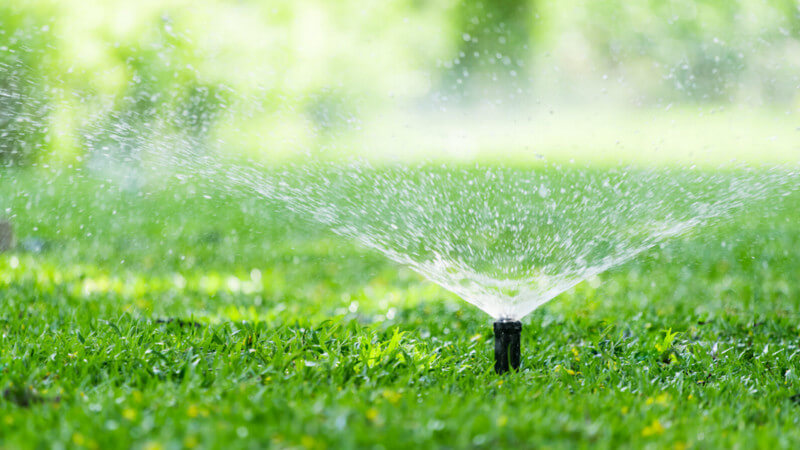
Water is one of the planet’s most precious resources. Practicing sustainable gardening means using it wisely. Drip irrigation and soaker hoses deliver water directly to roots, minimizing evaporation. According to EPA WaterSense, switching to efficient irrigation systems can save up to 50% of outdoor water use.
Early morning or late evening watering reduces evaporation, keeping plants hydrated longer. Mulching your garden with straw or wood chips also helps retain moisture while suppressing weeds—a true double benefit for eco-friendly gardening.
Rain barrels are another excellent way to reduce water waste. By collecting rainfall, you create a free, sustainable water source for your plants. A 1,000 sq ft roof can yield over 600 gallons of water from just one inch of rain (Treehugger).
Tip for Beginners:
If you live in a dry area, consider planting drought-resistant organic vegetables like kale, chard, or zucchini. They thrive with less water.
4. Use Natural Pest Control
Healthy gardens attract life, but not all visitors are welcome. Instead of reaching for toxic pesticides, use nature’s own defense systems. Companion planting is one of the oldest eco-friendly gardening techniques—pairing plants that naturally repel pests. Marigolds deter aphids, while basil keeps mosquitoes and flies away from tomatoes.
Encourage beneficial insects such as ladybugs and lacewings by planting flowers like dill and cosmos nearby. These insects feed on harmful pests without disturbing pollinators. According to Gardeners.com, one ladybug can eat up to 50 aphids a day.
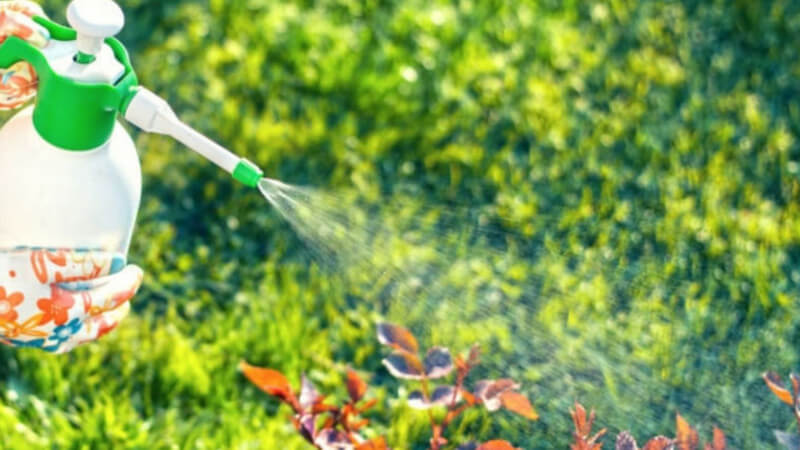
If pest issues persist, try natural sprays made from neem oil or garlic water. These control infestations without harming bees or soil microbes. Always avoid chemical pesticides, which can linger in soil and contaminate groundwater.
Discover more organic pest control techniques (example.com)
5. Practice Composting and Recycling in the Garden
Composting isn’t just about waste reduction—it’s the cornerstone of sustainable gardening. Turning kitchen scraps and yard waste into nutrient-rich compost closes the loop between consumption and growth. Healthline notes that composting improves soil aeration, balances pH, and encourages beneficial organisms.
Recycle what you already have—old containers, glass jars, or wooden pallets can be turned into planters or compost bins. This reduces waste while promoting creativity in your eco-friendly gardening journey.
Compare this approach with buying synthetic fertilizers or plastic pots. Sustainable gardeners understand that every recycled item means fewer resources extracted from the Earth. You can even compost cardboard and paper, as long as they are not printed with toxic ink.
Real-World Example:
In New York City’s community gardens, local volunteers have turned tons of food scraps into usable compost for growing organic vegetables, saving thousands of dollars in fertilizer costs (NYC Composting Program).
6. Encourage Pollinators and Biodiversity
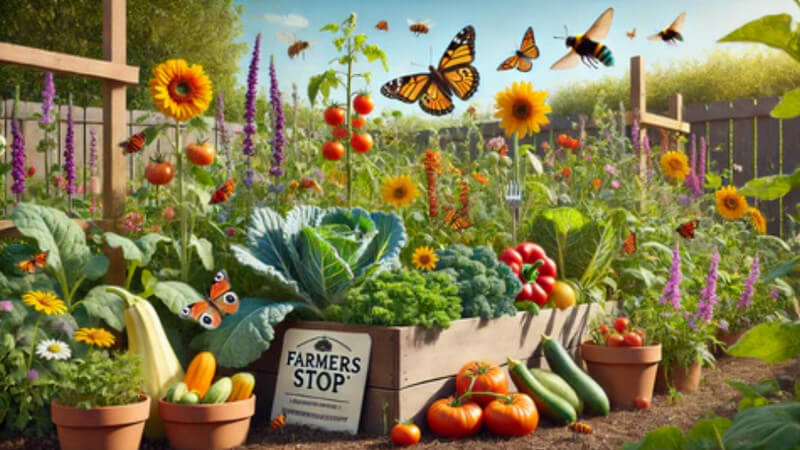
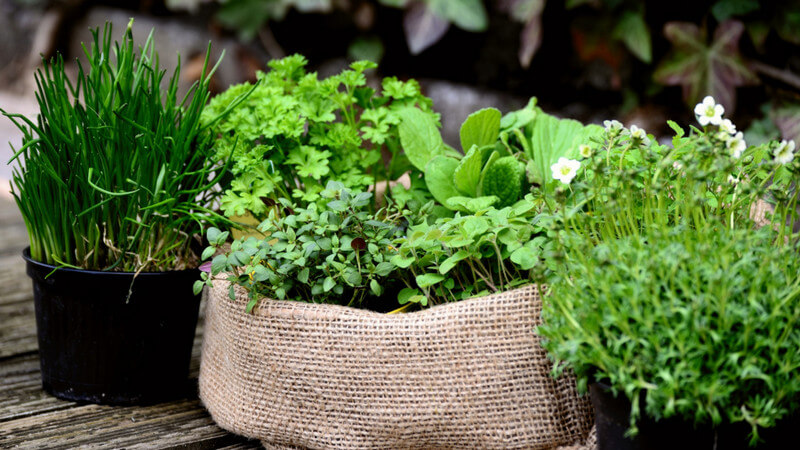
Pollinators like bees, butterflies, and birds are essential for a healthy ecosystem. Sustainable gardening means creating an environment where these species can thrive. Add flowering herbs such as lavender, thyme, and oregano near your vegetable beds—they provide nectar for pollinators while deterring harmful pests.
According to Pollinator Partnership, even small pollinator gardens can significantly boost local biodiversity. Avoid using synthetic pesticides, which disrupt pollinator populations. Instead, use natural pest control methods as part of your eco-friendly gardening plan.
Birdhouses, bee hotels, and small water dishes can attract beneficial creatures that support your garden year-round. The more life your garden sustains, the healthier your organic vegetables will be.
Fun Comparison:
Think of your garden as an ecosystem rather than a factory. Diversity equals resilience, and resilience equals sustainability.
7. Grow in Harmony with Nature
Truly sustainable gardening means working in balance with natural cycles. Observe your garden’s patterns—sunlight, rainfall, wind direction—and adapt accordingly. Rotate crops annually, plant cover crops like clover to restore nutrients, and allow beneficial weeds like dandelions to remain in moderation.
According to The Guardian, regenerative and sustainable farming techniques restore ecosystems while increasing yields. The same principles apply to your backyard.
When you see the ecosystem as a partner, not an obstacle, gardening becomes both rewarding and responsible. Over time, your garden will sustain itself with minimal human intervention—a true mark of eco-friendly gardening.
Conclusion: Growing Food, Growing Awareness
Adopting sustainable gardening isn’t just about growing organic vegetables; it’s about cultivating mindfulness. Every compost pile, pollinator plant, and raindrop you conserve brings you closer to an eco-conscious way of living. UNEP emphasizes that small sustainable choices, multiplied globally, can reverse environmental degradation.
By practicing eco-friendly gardening at home, you’re not only feeding your family healthier food but also supporting biodiversity, soil regeneration, and cleaner water systems. The planet—and future generations—will thank you for it.