 by
by Sustainable seafood is becoming one of the most important food choices of our time. As oceans face increasing pressure from overfishing, pollution, and climate change, choosing sustainable seafood is no longer just an environmental trend—it’s a responsibility. For consumers who care about ocean health, ethical food sourcing, and long-term food security, understanding eco-friendly fishing practices is crucial. This guide breaks down what sustainable seafood really means, why it matters, and how to make responsible seafood choices in everyday life.
To make smarter decisions, many consumers rely on trusted sources such as the Marine Stewardship Council, NOAA Fisheries, and seafood rating systems like the Monterey Bay Aquarium Seafood Watch. We will explore these resources and more to help you become a more informed and responsible seafood consumer. For additional sustainable living guidance, you can also check content like eco-friendly lifestyle tips (example.com) and sustainable food guides (example.com).
What Is Sustainable Seafood?
Sustainable seafood refers to fish and shellfish caught or farmed in ways that support long-term ecological balance. This means harvesting seafood at a rate that fish populations can naturally replenish, maintaining ecosystem health, and ensuring fishing communities remain economically stable. Unlike conventional fishing methods—which often prioritize short-term profit—responsible seafood practices focus on preserving ocean biodiversity for generations to come.
According to FAO (Food and Agriculture Organization), nearly one-third of global fish populations are overfished, and demand continues to rise. Choosing sustainable options helps reduce pressure on vulnerable species and encourages better fishery management. Understanding labeling systems such as the Aquaculture Stewardship Council and BAP Certification can help consumers identify responsibly sourced products.
Why Sustainable Seafood Matters
The importance of sustainable seafood extends far beyond the dinner plate. Oceans provide food, jobs, climate regulation, and biodiversity that our world depends on. When fisheries are poorly managed, ecosystems collapse, and species decline rapidly. This has major consequences for communities relying on fishing for income and nutrition. Reports from WWF show that destructive fishing practices like bottom trawling and illegal, unreported, and unregulated (IUU) fishing significantly accelerate ecosystem damage.
Sustainable seafood helps maintain balance by encouraging responsible fishing tools, better monitoring, selective gear, and harvest quotas. It also supports long-term job security for fishing communities and ensures seafood remains affordable and available. Studies from Nature Journal indicate that well-managed fisheries recover faster and produce more consistent yields. Ultimately, sustainable seafood protects marine life, prevents fishery collapse, and ensures future generations can continue enjoying seafood.
How to Identify Sustainable Seafood
Most consumers struggle to identify sustainable seafood because labeling can be confusing. However, several reliable certifications and rating organizations simplify this process. Look for eco-labels such as MSC (Marine Stewardship Council) for wild-caught fish or ASC (Aquaculture Stewardship Council) for responsibly farmed seafood. These labels guarantee that fisheries follow strict environmental standards.
Resources like Seafood Watch offer easy guides showing which seafood is rated “Best Choice,” “Good Alternative,” or “Avoid.” The Ocean Conservancy provides additional consumer tools for checking sustainability ratings before purchasing. As an internal resource, refer to sustainable food guides (example.com) on your own site to connect related content. Combining these tools helps shoppers confidently choose seafood that aligns with environmental values.
Wild-Caught vs. Farmed Seafood: Which Is Better?
The debate between wild-caught and farmed seafood often causes confusion. While many assume wild-caught seafood is always better, the reality is more complex. Responsible wild-caught fisheries can be sustainable when they follow quotas, avoid bycatch, and protect habitats. However, unsustainable wild-caught fisheries can contribute to species decline and environmental destruction.
Farmed seafood (aquaculture) varies widely in sustainability depending on management practices. According to World Bank studies, aquaculture now produces more seafood than wild fisheries globally. When done responsibly—with reduced antibiotics, clean water systems, and efficient feed—farming can be highly sustainable. Learn more through Greenpeace Seafood Sustainability Reports or the GLOBALG.A.P. Aquaculture Standards. Ultimately, both methods can be sustainable when managed properly.
Most Sustainable Seafood Choices
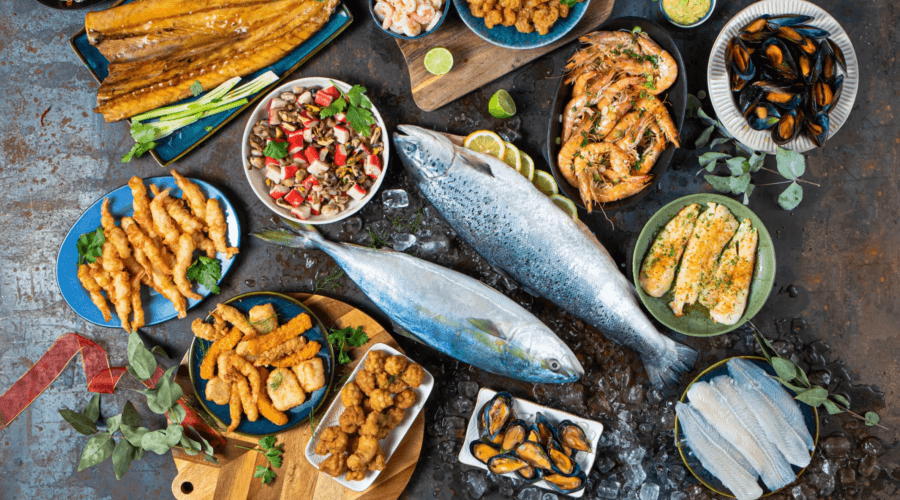
Some species are more sustainable than others due to healthy populations and low environmental impact. While local availability varies, common sustainable choices include:
- Wild Alaskan salmon (healthy populations, strict regulations)
- Mussels, oysters, and clams (beneficial to marine ecosystems)
- Sardines (fast-growing and abundant)
- Rainbow trout (responsible aquaculture systems)
- Pacific halibut (managed under strict quotas)
For additional data on sustainability rankings, check resources like NOAA FishWatch and Climate.gov for climate impacts on marine ecosystems. Choose species with eco-labels or high ratings on sustainability lists to ensure responsible consumption.
Seafood to Avoid Due to Unsustainable Practices
Some seafood options are considered unsustainable because they are overfished or caught using harmful techniques. Examples include:
- Bluefin tuna
- Orange roughy
- Shark species
- Imported farmed shrimp (in regions with poor regulation)
- Atlantic cod (from overfished regions)
These species often appear on “avoid” lists published by Seafood Watch and Rainforest Alliance due to their environmental impact. The main issues involve habitat destruction, bycatch of endangered species, and population collapse.
How Consumers Can Support Sustainable Seafood
Consumers play a major role in shaping the seafood market. By choosing responsibly sourced seafood, you encourage companies to adopt better practices. Start by learning which certifications to look for and ask stores or restaurants about sourcing policies. Choose local seafood when possible and support businesses with transparent sustainability policies. Refer to organizations like Environmental Defense Fund for seafood policy updates.
Small actions—such as buying seasonal seafood, reducing waste, and avoiding endangered species—collectively create a huge impact. When consumers consistently choose sustainable products, the entire industry shifts toward better environmental practices.
Conclusion: Making Responsible Seafood Choices
Choosing sustainable seafood is one of the most powerful actions individuals can take to protect the oceans. With increasing environmental challenges, responsible seafood consumption ensures healthier ecosystems, stronger fisheries, and more secure food systems. By using certifications, trusted rating guides, and research from reputable organizations, you can confidently make informed seafood choices that benefit both the planet and future generations.
The future of our oceans depends on the decisions we make today. By prioritizing sustainable seafood, consumers help drive global change toward a healthier, more sustainable food system.