 by
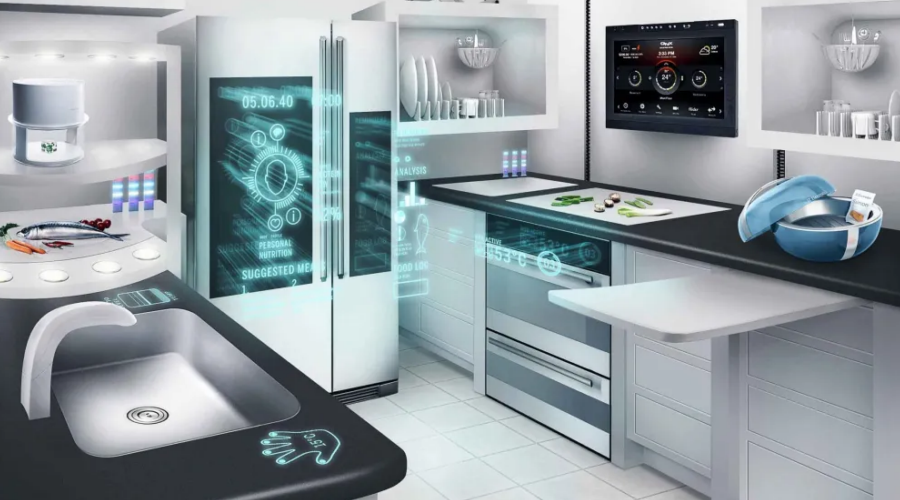
by The world of smart home technology is evolving faster than ever. What once seemed futuristic — talking thermostats, lights that adjust automatically, and refrigerators that track your groceries — is now an everyday reality. As we move through 2024 and beyond, the future of smart homes promises even greater convenience, energy efficiency, and personalization. This article explores the top home automation trends shaping the next generation of connected living.
1. The Evolution of Smart Home Technology
The concept of the “smart home” has transformed from a luxury to a lifestyle. With the rise of AI and the Internet of Things (IoT), smart devices now communicate seamlessly with each other, creating homes that learn from your behavior and anticipate your needs.
According to Statista’s Smart Home Market Report, global smart home revenue is expected to exceed $200 billion by 2026. This growth highlights how deeply smart home technology is integrating into everyday life — from energy management to home entertainment.
To explore related innovations, check out Top Tech Trends Transforming Daily Life (example.com) and AI in Everyday Products (example.com).
2. Artificial Intelligence at the Core of Future Smart Homes
AI is the driving force behind the future of smart homes. Virtual assistants like Alexa, Google Assistant, and Siri are evolving into intelligent home managers capable of making decisions for you. In 2024, AI is expected to advance predictive automation — meaning your home won’t just respond to commands but anticipate them.
For example, AI can now adjust lighting and temperature based on your daily routines or alert you to unusual activity for improved security. Platforms like Google Assistant and Amazon Alexa Smart Home are leading this AI revolution.
AI-Powered Predictive Automation
Imagine your home automatically brewing coffee as you wake up, locking doors when you leave, or ordering groceries when supplies run low. This type of intelligent response is the foundation of next-gen home automation trends.
3. Energy Efficiency and Sustainability
Sustainability is at the heart of smart home technology. Devices are becoming more energy-efficient, allowing homeowners to reduce waste and lower utility bills. Smart thermostats, LED lighting systems, and connected appliances all help minimize energy consumption.
For instance, Google Nest learns your heating and cooling habits to optimize energy use. Similarly, Ecobee integrates room sensors to regulate temperature efficiently across your home.
By 2025, many analysts predict that the future of smart homes will rely heavily on renewable energy integration — including solar-powered systems and battery storage managed through intelligent apps.
4. Voice and Gesture Control
Voice control has already changed how we interact with our homes, but 2024 will push this further. Gesture-based controls and advanced voice recognition will make home automation trends more intuitive and accessible.
With technologies like Apple HomeKit and Samsung SmartThings, homeowners can manage devices with simple commands or even hand gestures. Future systems may combine voice, movement, and biometrics for seamless interaction.
5. Smart Security Systems: Beyond Cameras
Security remains one of the top reasons people invest in smart home technology. However, new systems go beyond basic motion detection. Advanced facial recognition, biometric access, and AI-driven alerts are redefining home safety.
Leading brands like Ring, Google Nest Secure, and ADT are using AI to differentiate between normal activity and potential threats — reducing false alarms and providing real-time updates through mobile apps.
6. Health and Wellness Integration
Health-focused innovations are becoming a significant part of the future of smart homes. Connected air purifiers, humidity sensors, and even smart beds are helping people monitor and improve their well-being.
Products like Dyson Air Purifiers or Sleep Number Smart Beds use real-time data to maintain a healthy environment and improve sleep quality. This integration of wellness and home tech is expected to accelerate in the coming years.
7. Interoperability: The Rise of the Matter Standard
One of the biggest challenges in smart home technology has been device compatibility. Until recently, products from different brands often couldn’t communicate effectively. Enter Matter — a universal smart home standard backed by Apple, Google, Amazon, and Samsung.
By 2024, Matter-certified devices will allow seamless communication across brands. This means your smart door lock, thermostat, and lighting system can finally work together smoothly, regardless of manufacturer.
8. The Role of 5G and Edge Computing
The adoption of 5G networks is a game-changer for home automation trends. Faster data speeds and lower latency make it easier for multiple smart devices to connect and respond instantly.
Combined with edge computing — where data is processed locally instead of in the cloud — this means quicker responses, enhanced privacy, and reduced bandwidth usage. Leading providers like Verizon and Qualcomm are investing heavily in this connected future.
9. Robotics and Home Assistants
The future home will likely feature advanced robotics beyond simple vacuums. Imagine multifunctional robots that can cook, clean, or provide companionship. These innovations are moving from concept to reality.
Companies like Bosch and Robotics and Automation News highlight ongoing developments in domestic robotics. Such innovations are shaping the future of smart homes by making daily life more efficient and enjoyable.
10. Data Privacy and Cybersecurity
As connectivity grows, so does the risk of data breaches. Protecting personal data remains a critical aspect of smart home technology. Consumers are becoming more aware of cybersecurity, demanding transparent privacy policies and stronger encryption.
Organizations like National Cybersecurity Alliance and CISA recommend regular software updates, secure Wi-Fi networks, and multi-factor authentication to safeguard your devices.
11. Personalized Living Through Data
Personalization is a defining feature of the future of smart homes. Your home will adapt to your preferences — from music and lighting to temperature and entertainment choices. AI-powered systems will use historical data to predict your needs before you even ask.
According to Forbes Technology Council, personalization will be one of the most influential home automation trends in the next five years, enhancing comfort and user experience.
12. Smart Cities and Connected Ecosystems
The future extends beyond individual homes to entire smart neighborhoods. Integrated with local infrastructure, smart home technology will contribute to smarter cities — improving traffic, waste management, and energy distribution.
Initiatives like Smart Cities Mission and IBM Smarter Cities aim to connect homes, businesses, and public services into unified ecosystems.
Final Thoughts: The Connected Future of Living
There’s no doubt that the future of smart homes will continue to redefine comfort, convenience, and sustainability. As smart home technology becomes more integrated and affordable, homeowners can expect greater efficiency, stronger security, and personalized living experiences.
From AI assistants to energy-smart appliances, the next wave of home automation trends will make our homes not just connected, but truly intelligent. The possibilities are endless — and the future of home living is already here.
For more related insights, visit Wired Smart Home Guide, CNET Smart Home Reviews, and TechRadar Smart Home News.