 by
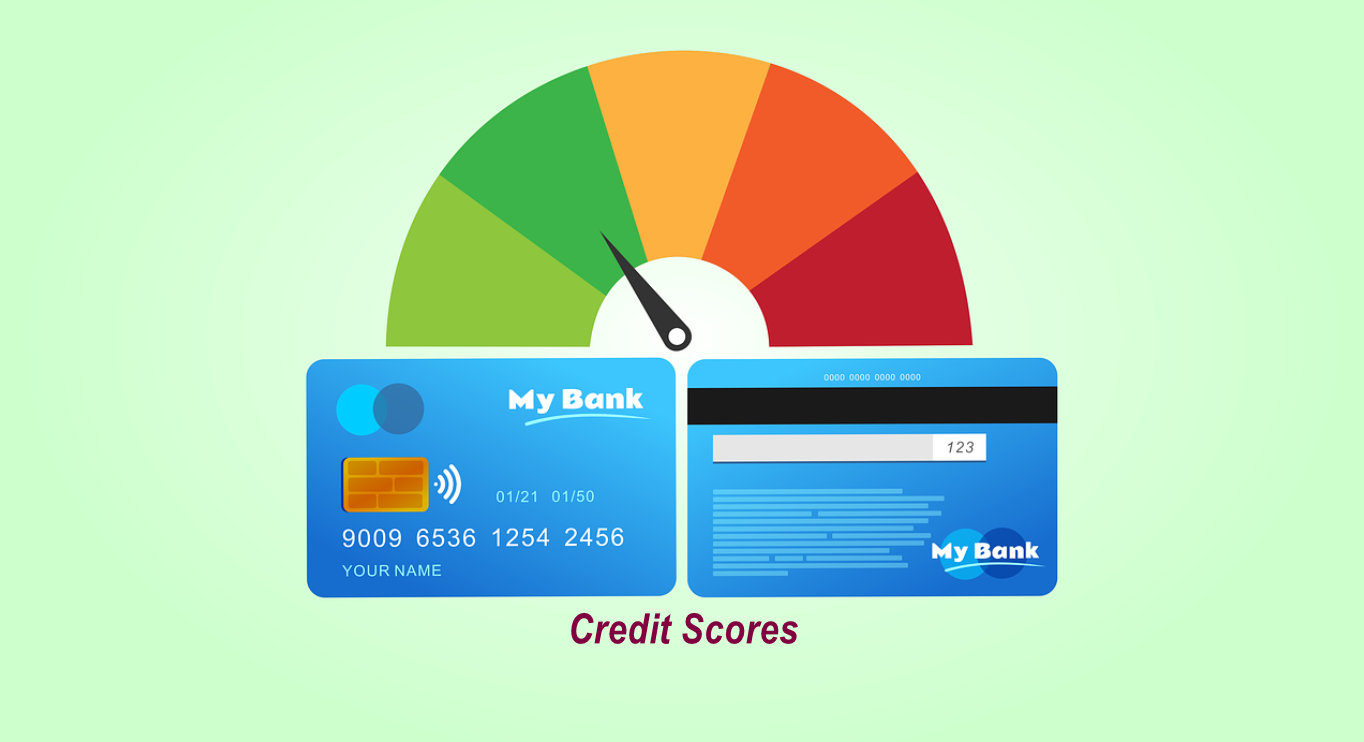
by Your credit score is a three-digit number that shapes your financial life. Lenders use it to decide loan approvals. Landlords check it before renting apartments. Even some employers glance at it during hiring. Understanding your credit score meaning empowers you to take control. The best part? You can access a free credit report and score without spending a dime. This guide walks you through every step. You’ll learn reliable methods, avoid scams, and discover how to improve your score. Let’s get started.
Why Checking Your Credit Score Matters
Knowledge is power in personal finance. A strong credit score opens doors to lower interest rates on mortgages, car loans, and credit cards. For example, someone with a 760 score might pay 3.5% on a home loan. Another with 620 could face 5%. Over 30 years, that difference costs tens of thousands.
Regular checks also catch errors early. Up to one in five credit reports contain mistakes, per FTC studies. These errors drag down your score unfairly. Spotting them lets you dispute and fix issues fast. Plus, monitoring prevents identity theft. Strange accounts? Act before damage spreads.
Think of your credit score as a health checkup for your finances. Skip it, and small problems grow big. For more on building habits, see our post on personal finance basics.
What Exactly Is a Credit Score?
Before diving into free checks, grasp the credit score meaning. It’s a number from 300 to 850. Higher means better creditworthiness. FICO and VantageScore are the main models. Lenders favor FICO.
Five factors shape your score:
- Payment history (35%): Do you pay on time?
- Credit utilization (30%): How much of your limits do you use?
- Length of credit history (15%): How long have accounts been open?
- New credit (10%): Recent applications?
- Credit mix (10%): Variety of account types?
Checking your free credit report reveals these details. You see exactly what lenders see. No guesswork.
Legal Ways to Get a Free Credit Report
Congress mandates free access. Every year, you’re entitled to one free credit report from each bureau: Equifax, Experian, and TransUnion. That’s three total.
Use AnnualCreditReport.com
The official site is AnnualCreditReport.com. It’s run by the three bureaus. No tricks. No upsells. Visit weekly if needed—especially during economic shifts.
Steps are simple:
- Go to AnnualCreditReport.com.
- Answer identity questions.
- Select which reports to view.
- Download or print.
Reports show accounts, payments, and inquiries. They don’t include the score. But they’re gold for spotting errors. For full details, read FTC’s guide to free credit reports.
Weekly Reports During Hard Times
Since 2020, the bureaus offer weekly free credit reports via the same site. Use this during job loss or big purchases. Stay ahead of changes.
Free Ways to See Your Actual Credit Score
Reports are great. Scores are better. Many services now provide free scores. No hard inquiry. No cost.
Credit Karma for VantageScore
Credit Karma gives free VantageScores from TransUnion and Equifax. Update weekly. The app tracks changes and suggests improvements. It’s user-friendly. Over 100 million users agree.
Sign up with email. Link accounts securely. See your score in minutes. They also simulate “what-if” scenarios. Pay off a card? Watch the boost. Visit Credit Karma’s free credit score tool to start.
Experian App for FICO Score
Experian offers a free FICO Score 8 monthly. Download their app. Create an account. Get alerts for changes. Dark web monitoring is included. It’s a solid all-in-one tool.
Banks and Credit Cards
Chase, Discover, Capital One, and others provide free FICO scores. Check your online banking dashboard. Discover’s Credit Scorecard is open to all—even non-customers. Log in monthly for updates.
These scores match what lenders often use. Perfect for tracking progress.
Other Reliable Free Score Sources
More options exist. NerdWallet partners with TransUnion. WalletHub updates daily. Both are ad-supported but legit.
Avoid “free” sites asking for payment info upfront. Real free tools never require cards. Stick to trusted names.
Step-by-Step: Check Your Score in Under 10 Minutes
Ready to act? Follow this plan.
- Pull reports: Visit AnnualCreditReport.com. Get all three.
- Sign up for scores: Join Credit Karma and Experian.
- Compare: Note differences in models.
- Set alerts: Enable email or app notifications.
- Review monthly: Mark your calendar.
Done. You’re now in control. For improving scores, check our guide on improve credit score fast.
Common Mistakes to Avoid
Even savvy people slip. Don’t fall for these traps.
Paying for “Free” Services
Sites like FreeCreditReport.com (now Experian) push paid plans. Use direct bureau links instead. Save money.
Ignoring Soft vs. Hard Inquiries
Free checks use soft pulls. They don’t hurt your score. Loan applications trigger hard inquiries. Limit those.
Checking Only One Bureau
Scores vary slightly across bureaus. A lender might use Experian. Another prefers Equifax. Check all three for the full picture.
How Often Should You Check?
Once a month is ideal. More if applying for credit soon. Weekly during disputes. Consistency catches issues early.
Think of it like weighing yourself during a diet. Regular checks keep you on track.
Understanding Your Free Credit Report
Reports look dense. Break them down.
- Personal info: Name, address, SSN. Fix errors.
- Accounts: Loans, cards, balances. Verify accuracy.
- Payment history: Late pays? Dispute old ones.
- Inquiries: Too many? Space applications.
- Public records: Bankruptcies, liens. These hurt most.
Circle anything wrong. File disputes online with proof. Bureaus must investigate within 30 days.
Signs Your Score Needs Work
Low scores show symptoms. Watch for these red flags.
- High credit card balances (over 30% utilization)
- Missed payments in the last 7 years
- Collections or charge-offs
- Short credit history (under 3 years)
- Too many new accounts
Free tools highlight these. Fix one at a time. Payment history first—it’s 35% of FICO.
Quick Wins to Boost Your Score
After checking, improve. Try these:
- Pay bills early. Set autopay.
- Lower balances below 30%.
- Keep old cards open. They help history length.
- Become an authorized user on a good card.
- Dispute errors promptly.
Expect 20–100 point gains in 3–6 months. Patience pays off.
Protecting Your Credit While Monitoring
Free checks are safe. But stay vigilant.
- Use strong passwords.
- Enable two-factor authentication.
- Freeze credit if inactive.
- Shred old statements.
Services like Experian offer free fraud alerts. Use them.
Conclusion: Take Control Today
Checking your credit score for free is easy, legal, and smart. Use AnnualCreditReport.com for reports. Add Credit Karma and Experian for scores. Review monthly. Fix errors. Watch your credit score meaning come alive as numbers climb.
Start now. In 10 minutes, you’ll know exactly where you stand. Then build from there. A better score means lower rates, easier approvals, and less stress. Your future self will thank you.