 by
by 1. Why Smart Home Technology Matters
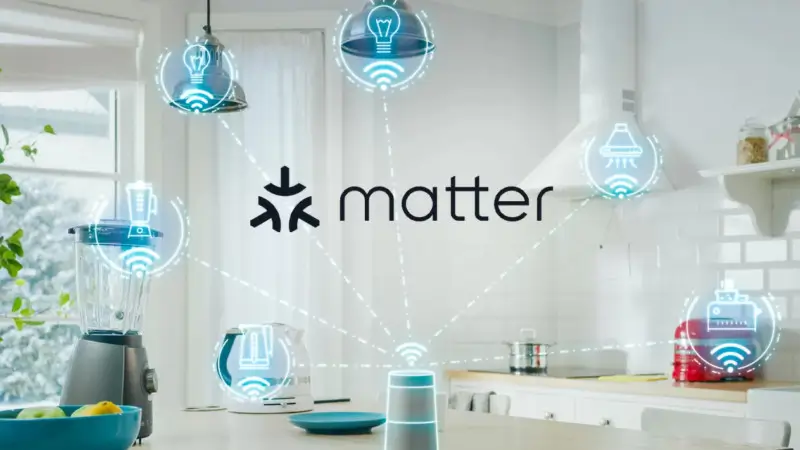
The global shift toward smart homes isn’t just about automation—it’s about smarter living. Smart home devices use sensors, machine learning, and connectivity to monitor and reduce unnecessary energy use, helping households lower their carbon footprint and save on monthly expenses.
According to Energy.gov, smart thermostats alone can cut heating and cooling bills by up to 15%. Devices like intelligent lighting, plugs, and energy monitors further enhance savings by optimizing power usage. In short, smart home technology pays for itself over time.
Learn how you can start with affordable upgrades in our guide: Beginner’s Smart Home Setup
2. Smart Thermostats: Controlling Comfort and Cost
One of the most impactful energy-saving gadgets is the smart thermostat. Unlike traditional thermostats, these devices learn your household routines and adjust temperatures automatically to save energy while maintaining comfort.
Top-rated models like the Google Nest Learning Thermostat and ecobee SmartThermostat can sense when you’re home or away and fine-tune energy usage accordingly. For example, if everyone leaves the house, the system lowers heating or cooling automatically—reducing waste without any effort on your part.
Some even connect with voice assistants like Alexa or Google Assistant, letting you adjust settings hands-free. It’s a small change that can make a big difference in monthly bills and comfort levels.
3. Smart Lighting: Bright Ideas for Saving Energy
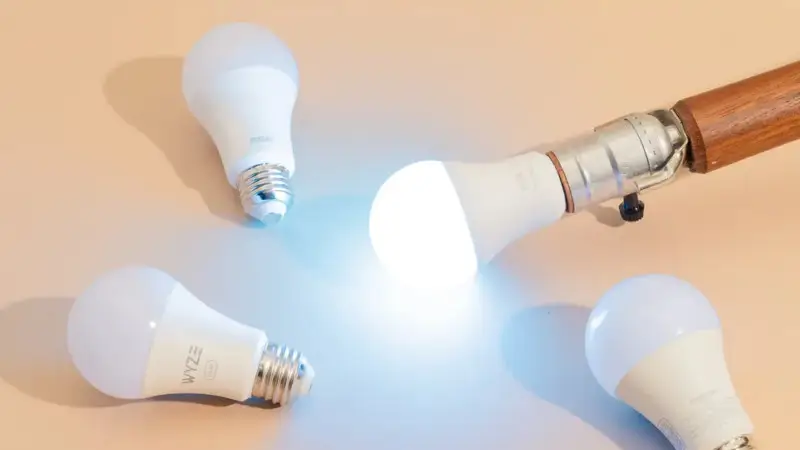
Lighting accounts for nearly 15% of household electricity use, according to the EPA. Smart lighting systems offer a simple yet powerful way to cut that down. With motion sensors, schedules, and app control, you can ensure lights are only on when needed.
Systems like Philips Hue or LIFX allow users to customize brightness, color, and timing. Forgot to turn off the kitchen light before bed? Just tap your phone or use a voice command. Many smart bulbs are also energy-efficient LEDs, consuming up to 80% less electricity than traditional bulbs.
Smart lighting can even improve sleep cycles by simulating sunrise or sunset lighting—making your home not just energy-smart, but wellness-smart too.
4. Smart Power Strips and Plugs: Eliminate “Phantom Energy”
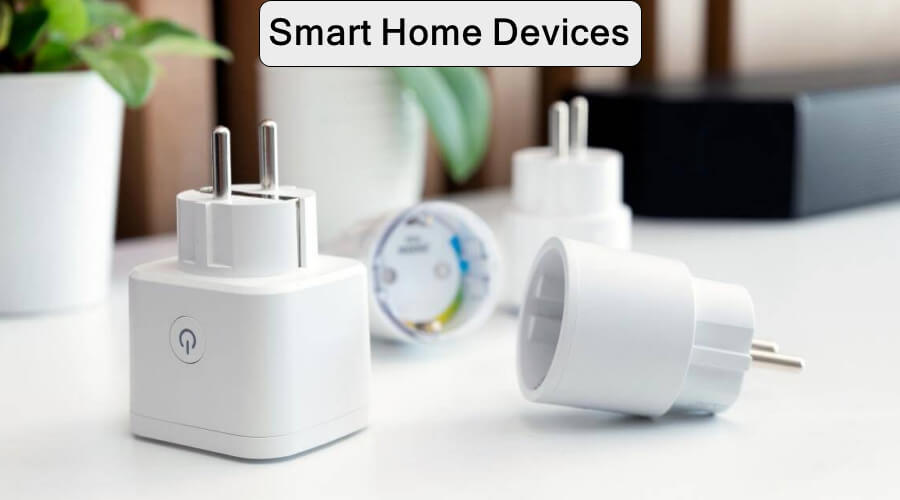
Even when turned off, electronics like TVs, chargers, and gaming consoles draw “phantom power,” adding up to 10% of your total electricity bill. That’s where smart plugs and smart power strips come in.
Devices like the Kasa Smart Plug or Amazon Smart Plug help you control energy-hungry appliances remotely. You can schedule them to turn off at night or when you’re away. Some models even provide real-time energy monitoring through apps, showing which devices consume the most power.
By addressing these “energy vampires,” homeowners can save an average of $100–$200 per year—proof that even small upgrades can yield big savings.
5. Smart Appliances: Efficiency Meets Convenience
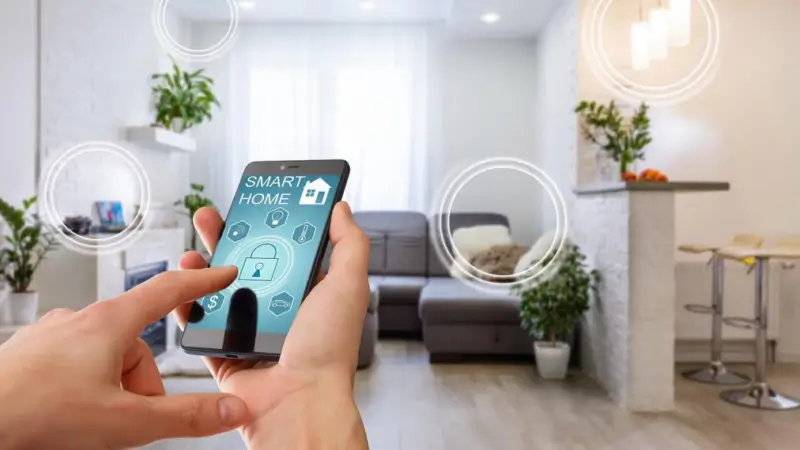
Modern appliances have evolved far beyond basic functionality. From washing machines that adjust water usage to refrigerators that remind you when to restock, smart home technology is redefining efficiency. Brands like Samsung SmartThings and LG ThinQ lead this transformation.
For example, smart dishwashers can detect load size and optimize water use. Smart ovens let you preheat remotely or suggest recipes based on ingredients you have. While these devices may cost more upfront, their long-term savings in energy and resources make them worth the investment.
To learn more about integrating smart appliances, check out Modern Home Energy Tips.
6. Smart HVAC Systems and Air Quality Monitors
Your home’s heating, ventilation, and air conditioning (HVAC) systems consume significant energy. Upgrading to a smart HVAC system can make a dramatic difference. These systems connect to sensors throughout your home, automatically adjusting airflow and temperature for optimal comfort and efficiency.
Devices like Sensibo Sky allow remote control of air conditioners, while advanced models provide detailed air quality reports. Combined with smart air quality monitors like Awair Element, you can monitor humidity, CO₂, and pollutant levels to maintain a healthier home environment while minimizing wasted energy.
Maintaining clean filters and efficient air circulation not only lowers energy bills but also improves your family’s health—another hidden benefit of energy-saving gadgets.
7. Smart Irrigation Systems: Eco-Friendly Gardening

Outdoor water use can account for nearly half of a household’s total water consumption, particularly in warmer climates. Smart irrigation systems take the guesswork out of watering by automatically adjusting based on weather, soil type, and plant needs.
Popular options like Rachio Smart Sprinkler and Orbit B-hyve help reduce water waste while keeping gardens green. These systems can be controlled via mobile apps, allowing you to manage water usage even while traveling.
Over time, a smart irrigation system can cut outdoor water bills by 30–50%, making it a top recommendation for eco-conscious homeowners.
8. Smart Energy Monitors: Track and Optimize Your Usage
To save energy effectively, you first need to understand how it’s being used. Smart energy monitors provide detailed insights into your consumption patterns. Devices like Sense Home Energy Monitor or Neurio connect to your electrical panel and track energy use for each device in your home.
These monitors show you which appliances are drawing power at any given time, helping you identify wasteful habits. Over a few months, you’ll have a clear picture of where to make changes—whether that’s unplugging unused devices or upgrading to more efficient alternatives.
Think of it as a “fitness tracker” for your home’s energy use.
9. Voice Assistants: The Brain Behind Smart Homes

While not directly saving energy, voice assistants like Amazon Alexa, Google Assistant, and Apple’s Siri act as the central hub for your smart home technology. With simple voice commands, you can turn off lights, adjust thermostats, or even schedule appliances to run during off-peak hours for lower energy rates.
Pairing your devices under one ecosystem streamlines control and boosts efficiency. As AI becomes more advanced, these assistants will learn from your routines to further automate and reduce waste—making your home smarter and more sustainable over time.
10. Future Trends in Smart Home Energy Savings
The future of energy-saving gadgets looks promising, with innovations like solar-integrated roofs, battery storage systems, and AI-driven energy grids. As smart home technology evolves, devices will become more interconnected and predictive—adjusting settings automatically based on weather forecasts, occupancy patterns, and even utility rate fluctuations.
With companies like Tesla and Sonnen leading the energy innovation space, homeowners can look forward to smarter, greener living. The goal is clear: make homes energy-independent while reducing environmental impact.
Conclusion: Small Devices, Big Impact

Adopting smart home devices is one of the smartest investments for modern homeowners. From thermostats and lighting to appliances and irrigation systems, every upgrade contributes to lower bills, greater convenience, and a greener planet. With countless options available, it’s easier than ever to build an energy-efficient home tailored to your needs.
Remember, energy efficiency starts with awareness. Start small—replace a few bulbs, add a smart plug, or install a thermostat. Over time, these changes add up, creating a comfortable, sustainable, and cost-effective living environment powered by smart home technology.