 by
by Creating a beautiful yard doesn’t have to mean wasting water. In fact, with a few smart choices, you can design a sustainable landscaping plan that saves money, reduces maintenance, and benefits the planet. Whether you live in a drought-prone region or simply want to practice eco-conscious living, a water-saving garden can make a huge difference in your home’s environmental impact.
Why Sustainable Landscaping Matters
Traditional lawns and gardens often consume a shocking amount of water. According to the EPA’s WaterSense program, nearly one-third of all residential water use goes to outdoor irrigation. That’s billions of gallons every day! By embracing eco-friendly yard design techniques, homeowners can conserve resources, save on water bills, and support local ecosystems.
Sustainable landscaping isn’t just about using less water—it’s also about creating a resilient, low-maintenance outdoor space that works in harmony with nature.
1. Choose Native and Drought-Tolerant Plants
Native plants are naturally adapted to your local climate and soil, meaning they thrive with minimal care. They require less water, fertilizer, and pesticides compared to exotic species. For instance, succulents, lavender, sage, and ornamental grasses are excellent for water-saving gardens.
Planting a mix of native shrubs and flowers also provides food and shelter for pollinators like bees and butterflies. Visit your local extension office or check resources such as the Audubon Native Plants Database to find the best species for your region.
2. Replace Grass Lawns with Ground Covers
Lawns are one of the biggest water consumers in traditional landscapes. Consider replacing them with drought-tolerant ground covers like creeping thyme, clover, or sedum. These options stay green year-round and require far less irrigation and mowing. This simple switch is a cornerstone of sustainable landscaping.
3. Use Mulch to Retain Moisture
Adding organic mulch—like bark, straw, or wood chips—around plants helps trap soil moisture and prevent evaporation. Mulch also suppresses weeds, keeps roots cool, and enriches the soil as it decomposes. This small step can significantly boost your eco-friendly yard design.
4. Install a Drip Irrigation System
Instead of spraying water over your garden, a drip irrigation system delivers water directly to the roots. This reduces waste and evaporation while ensuring plants get consistent moisture. You can connect a drip system to a timer for even greater efficiency. It’s one of the smartest saving money tips in landscape maintenance.
5. Harvest Rainwater
Installing a rain barrel or cistern allows you to collect and reuse rainwater for garden irrigation. Not only does this reduce your reliance on municipal water, but it also helps manage stormwater runoff. Check local guidelines to see if your area offers rebates or incentives for rainwater collection systems.
6. Group Plants by Water Needs
This technique, known as hydrozoning, organizes plants with similar watering requirements in the same area. By doing so, you can optimize irrigation and avoid overwatering. Grouping your plants strategically is key to smart investing in your outdoor space—it saves both time and water.
7. Incorporate Hardscaping Elements
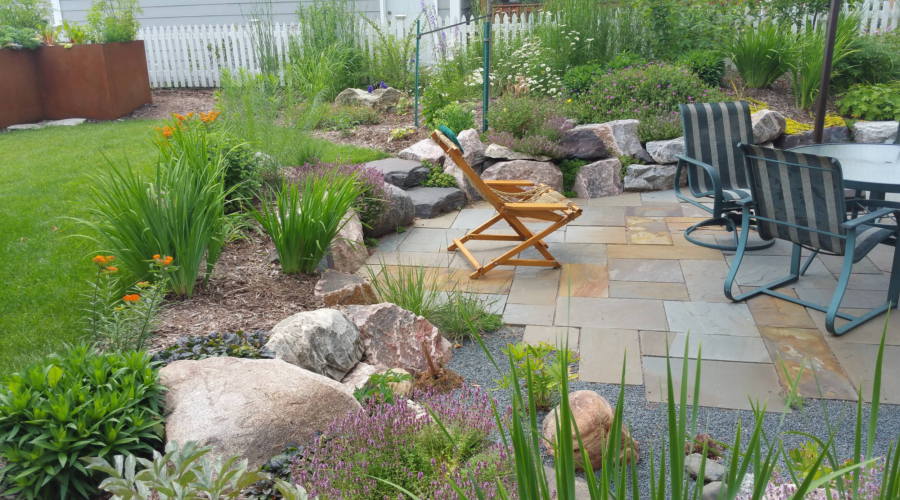
Paths, patios, and rock gardens not only enhance the look of your landscape but also reduce the amount of high-maintenance lawn area. Use permeable materials like gravel, decomposed granite, or permeable pavers that allow rainwater to seep into the ground instead of running off.
8. Opt for Efficient Watering Practices
Water your garden early in the morning or late in the evening to reduce evaporation. Focus on deep, infrequent watering rather than shallow daily watering—it encourages deeper root growth and more resilient plants. These personal finance-style efficiency habits apply just as well to water management as to budgeting.
9. Use Smart Technology for Water Management
Smart irrigation controllers and soil moisture sensors automatically adjust watering schedules based on weather conditions and soil data. This can cut water use by up to 30%. For homeowners looking to combine eco-friendly yard design with modern convenience, this is an excellent solution.
10. Maintain Your Landscape Sustainably
Regular maintenance ensures your water-saving efforts last. Check for leaks in irrigation lines, trim overgrown plants, and replenish mulch annually. Composting yard waste and using organic fertilizers also support a healthier ecosystem in your sustainable landscaping design.
Bonus Tip: Educate and Inspire Others
Once you’ve created your water-saving garden, share your success with friends, neighbors, or social media communities. Spreading awareness can inspire others to adopt similar eco-friendly yard design practices. Collective action can make a huge impact on water conservation at a community level.
Final Thoughts: Building a Greener Future
Sustainable landscaping isn’t just about reducing water usage—it’s about creating a more mindful and efficient way to live. By making small adjustments to your yard, you can save money, protect natural resources, and contribute to a healthier environment. Each choice you make—from plant selection to irrigation—adds up to a greener planet and a more beautiful, resilient home landscape.
Related Reading:
Want to learn more about sustainable living and green design? Check out these helpful resources:
- EPA WaterSense Outdoor Resources
- U.S. Department of Energy: Water-Efficient Landscaping
- NRDC Water-Efficient Landscaping Guide
For more home improvement and environmental design ideas, explore related articles such as:
Eco-Friendly Home Renovation Tips
How to Build a Low-Maintenance Garden
With a bit of creativity and planning, you can transform your outdoor space into a water-wise paradise that supports both your wallet and the world.