

 by
by 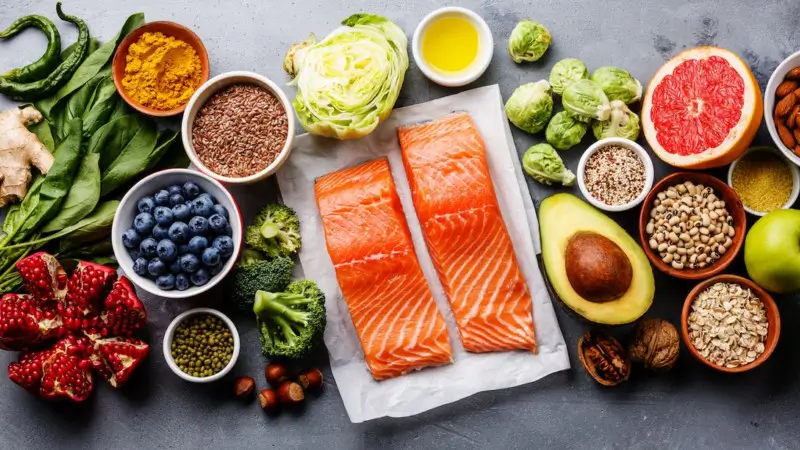
1. What Are Superfoods and Why Do They Matter?
Superfoods are foods that contain exceptionally high levels of essential nutrients. These nutrients can range from antioxidants and amino acids to omega-3 fatty acids and phytonutrients. Unlike supplements, superfoods provide these benefits naturally through whole food sources.
According to Healthline, consuming a balanced variety of superfoods can help reduce inflammation, strengthen immunity, and enhance mental clarity. They also aid in digestion and metabolism, helping you maintain steady energy throughout the day.
If you’re new to superfoods, start by adding one or two into your daily meals. You can explore easy recipes at Healthy Living Blog to get started.
2. Blueberries – The Antioxidant Powerhouse
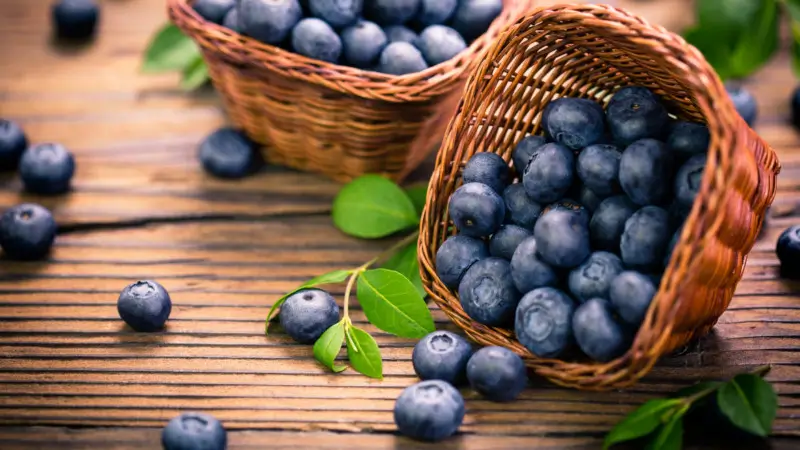
When it comes to superfoods, blueberries are often at the top of the list. These tiny fruits are packed with antioxidants, particularly anthocyanins, which fight oxidative stress and slow the aging process. Regular consumption of blueberries has been linked to improved brain health, better memory, and heart protection.
Studies cited by the National Institutes of Health (NIH) show that blueberries help reduce blood pressure and support vascular function. They also make a perfect low-calorie snack that satisfies your sweet cravings without added sugars.
Add them to your morning yogurt, smoothie, or oatmeal to boost energy and kickstart your day with natural sweetness.
3. Spinach – The Green Energy Source
Spinach has earned its reputation as one of the best superfoods for good reason. Rich in iron, magnesium, and folate, it plays a vital role in maintaining healthy blood and energy levels. Iron helps transport oxygen throughout the body, while magnesium supports muscle function and nerve activity.
According to Medical News Today, spinach also contains nitrates that help improve blood flow and stamina—ideal for athletes and those with busy schedules. Whether eaten raw in salads, blended in smoothies, or sautéed in olive oil, spinach helps improve health from the inside out.
For meal inspiration, see our guide on Nutritious Green Recipes.
4. Salmon – The Protein and Omega-3 Champion
Fatty fish like salmon are essential for anyone looking to improve health and brain performance. Salmon is rich in omega-3 fatty acids, which support heart health, reduce inflammation, and promote mental sharpness. It’s also an excellent source of high-quality protein that helps repair tissues and build muscle.
The American Heart Association recommends eating at least two servings of oily fish per week to maintain cardiovascular health. If you’re vegetarian, flaxseeds or chia seeds can serve as plant-based omega-3 alternatives.
Pair salmon with leafy greens and quinoa for a complete, energy-boosting meal that keeps you full and focused for hours.

5. Avocados – Healthy Fats for Energy
Avocados are among the most versatile superfoods, rich in monounsaturated fats, potassium, and fiber. These healthy fats fuel your body efficiently and help keep you satisfied, reducing the urge for unhealthy snacking.
Avocados also contain folate and B vitamins that support metabolism and cellular repair, helping to boost energy naturally. They’re also great for heart health, as their high potassium levels help balance blood pressure.
Enjoy avocados in salads, smoothies, or as a creamy toast topping. As WebMD explains, regular avocado consumption has even been linked to lower cholesterol levels and improved weight management.
6. Quinoa – The Ancient Grain of Strength
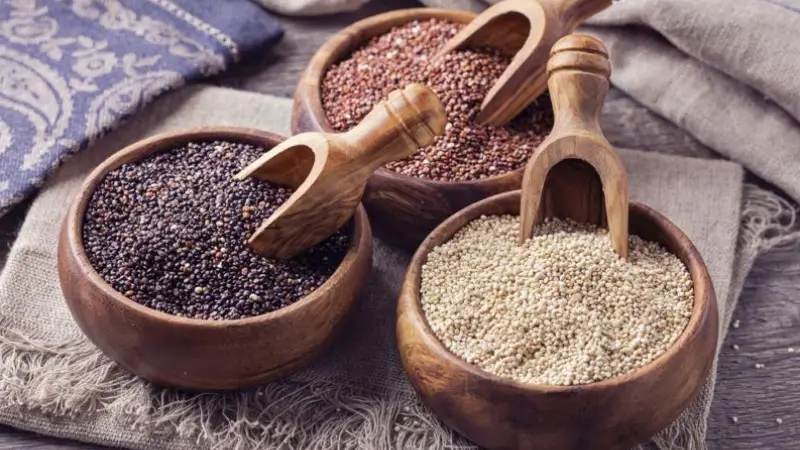
Quinoa, often called the “super grain,” is technically a seed and one of the best plant-based protein sources available. It contains all nine essential amino acids, making it a complete protein—ideal for vegetarians and vegans.
This gluten-free grain is high in fiber, magnesium, and B vitamins that help stabilize blood sugar levels and boost energy. Compared to rice or pasta, quinoa digests slowly, keeping you full longer and preventing energy crashes.
According to Harvard T.H. Chan School of Public Health, quinoa’s anti-inflammatory properties also contribute to long-term heart and digestive health.
7. Greek Yogurt – Protein and Probiotics
Greek yogurt stands out as a high-protein, gut-friendly superfood that supports digestion, immunity, and energy. It’s packed with probiotics—beneficial bacteria that keep your digestive system healthy and balanced.
In addition to aiding digestion, Greek yogurt provides calcium and B12, both crucial for bone strength and energy metabolism. Pair it with fruits or nuts for a satisfying snack or breakfast that keeps you energized throughout the morning.
For healthy yogurt recipes and pairings, check out EatingWell’s guide to superfood breakfasts.
8. Nuts and Seeds – Nature’s Energy Boosters
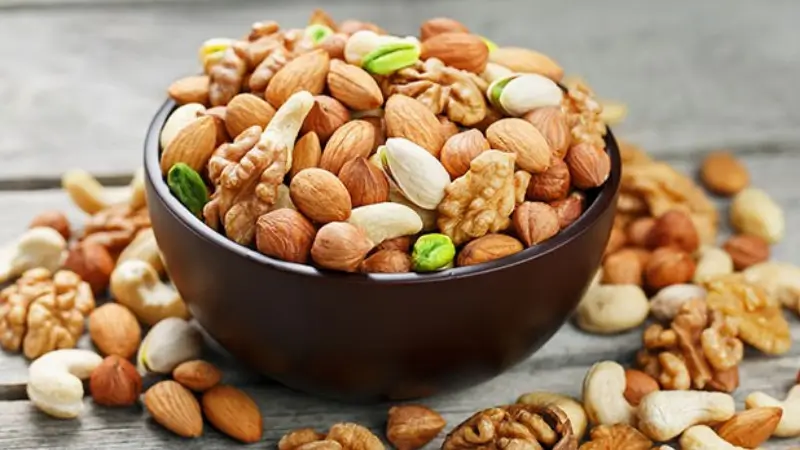
Nuts and seeds like almonds, walnuts, chia seeds, and flaxseeds are compact superfoods loaded with protein, healthy fats, and fiber. They provide long-lasting fuel and support heart and brain health through essential omega-3s and antioxidants.
Almonds are particularly known for improving cognitive performance, while chia seeds expand in your stomach, promoting fullness and hydration. As Mayo Clinic reports, incorporating a handful of nuts daily can reduce cholesterol and lower the risk of heart disease.
For an extra energy kick, try mixing nuts and dried fruits for a homemade trail mix that’s perfect for on-the-go snacking.
9. Green Tea – Natural Energy Without the Crash
Unlike coffee, green tea provides a steady, sustained energy boost thanks to its combination of caffeine and L-theanine. This amino acid promotes calm alertness, helping you stay focused without jitteriness. Green tea is also packed with catechins—powerful antioxidants that support metabolism and fat burning.
Research from the National Library of Medicine suggests that green tea can enhance brain function, improve fat oxidation, and even support heart health. It’s a great beverage to include in your daily routine for both energy and longevity.
Try swapping your afternoon coffee for a cup of matcha, a powdered form of green tea that provides an extra antioxidant punch.
10. Sweet Potatoes – The Complex Carb for Sustained Energy
Sweet potatoes are an excellent source of complex carbohydrates, beta-carotene, and fiber. These nutrients work together to boost energy gradually instead of causing sudden spikes in blood sugar. They also provide Vitamin A, essential for eye health and immune function.
Sweet potatoes make a great addition to any meal—baked, mashed, or roasted. Pair them with lean proteins or vegetables for a balanced plate that delivers slow, steady fuel for your body and mind.
Check out delicious superfood-based meal ideas at Delish to keep your diet exciting and nutrient-rich.

Conclusion: Eat Smart, Live Strong
Incorporating superfoods into your daily routine doesn’t require a dramatic lifestyle change—just small, consistent improvements. Whether you add spinach to your smoothie, snack on nuts, or enjoy a bowl of quinoa, each step helps you boost energy and improve health naturally.
As modern science continues to uncover the power of these foods, one thing is clear: nutrition is the foundation of energy, vitality, and longevity. Start building your own superfood-based diet today, and feel the difference within weeks!