
 by
by Creating high-quality videos that capture viewers’ attention requires more than just a camera and creativity. For YouTubers, choosing the best video editing software can be the difference between a viral video and one that goes unnoticed. Whether you’re a beginner or a seasoned creator, your choice of video editing software affects your workflow, editing quality, and storytelling capabilities.
In this guide, we’ll explore essential tips for selecting the right YouTube editing tools, the features that matter most, and the top options available today. Let’s dive into the key considerations to help you produce professional, engaging, and monetizable videos.
Why Choosing the Right Video Editing Software Matters
Your content’s success on YouTube depends on how engaging and polished your videos look. The best video editors make your footage more dynamic, ensure smooth transitions, and let you fine-tune color, audio, and effects easily. With the right YouTube editing tools, even an average clip can become cinematic and captivating.
Good editing software also saves time and supports your creativity by offering ready-made templates, AI-based suggestions, and automatic adjustments. For creators aiming to grow and monetize their channels, understanding how to use the right video editing software is an essential step toward professionalism.
1. Determine Your Skill Level
Before you start downloading programs, assess your experience. Are you just starting, or do you already have some editing background? Beginners often benefit from user-friendly video editing software with drag-and-drop interfaces, such as:
- iMovie (for Mac users)
- Clipchamp (Windows and web-based)
- Canva Video Editor
For experienced creators or those aiming for a professional look, consider advanced video editing software like Adobe Premiere Pro, Final Cut Pro, or DaVinci Resolve. These programs offer precision editing, color grading, and multi-layer effects for serious video production.
2. Consider Compatibility with Your Device
Not all editing tools work seamlessly across devices. Some YouTube editing tools are optimized for Mac, while others excel on Windows or mobile. Always check hardware requirements to avoid lagging or crashing issues, especially if you handle high-resolution files (4K or 8K).
For example, Adobe Premiere Pro runs smoothly on high-performance PCs, while Final Cut Pro is built specifically for Mac. If you prefer editing on your smartphone, tools like CapCut and InShot are optimized for mobile use and social media exports.
3. Focus on Essential Features
When evaluating video editing software, look for key features that will make your editing process easier and more effective. Some must-have tools include:
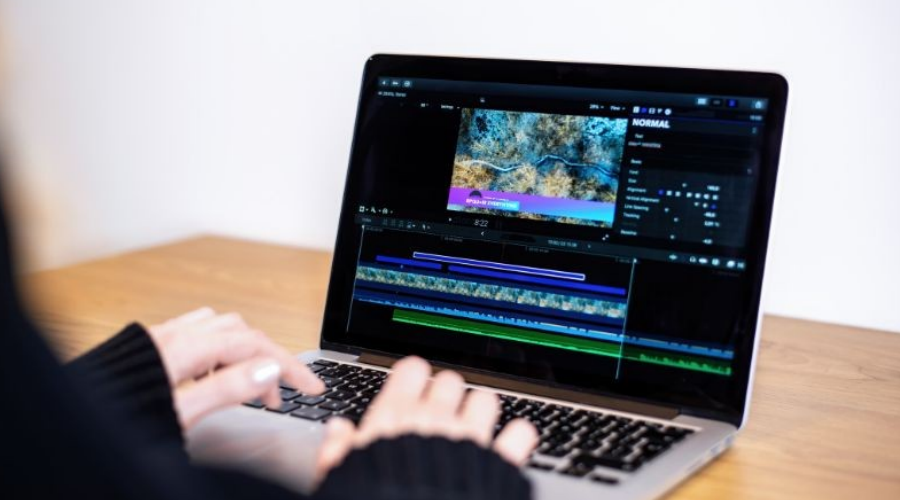
- Timeline editing for precise cuts and transitions.
- Color correction and filters to enhance visual appeal.
- Audio editing tools to balance sound and remove background noise.
- Text overlays for titles, subtitles, or callouts.
- Export options optimized for YouTube and social media platforms.
Choosing a tool that combines these features ensures that your final product looks polished and professional, helping you stand out in a crowded YouTube space.
4. Look for Built-In Templates and Effects
Modern YouTube editing tools often come with pre-made templates for intros, transitions, and lower thirds. These are perfect for saving time and maintaining consistent branding across your videos. Programs like Filmora and Canva include vast libraries of visual and audio assets that make your content look professional even without advanced editing skills.
Having access to ready-to-use templates is especially valuable for creators who post frequently and want to keep their style cohesive. Look for software that allows easy customization so you can maintain your unique branding while benefiting from built-in design tools.
5. Evaluate Price vs. Value
When choosing the best video editors, cost is always a consideration. Fortunately, there are many affordable or even free options available that deliver excellent results. Free editors like DaVinci Resolve and HitFilm Express offer professional-grade tools without a subscription fee.
However, if you need advanced features like multi-camera editing, motion tracking, or cloud collaboration, a premium plan might be worth it. Programs such as Adobe Premiere Pro and Final Cut Pro provide flexibility, frequent updates, and robust technical support — all essential for long-term YouTube growth.
6. Try Before You Buy
Almost every major video editing software provider offers a free trial. Take advantage of this to test features, speed, and workflow compatibility. A tool may look perfect on paper but might not feel intuitive during real use.
For instance, if you’re comparing Filmora and DaVinci Resolve, both are excellent, but the user interface and editing style differ. Testing helps you find which one fits your creative rhythm and saves you time later on.
7. Check for Regular Updates and Support
Reliable YouTube editing tools frequently release updates to improve stability, add new effects, and support the latest video formats. Choosing an actively maintained platform means you won’t have to switch software every year or struggle with outdated codecs.
Also, ensure the company offers responsive customer support and active community forums. For example, Apple’s Final Cut Pro Support and Adobe’s user communities are great resources for troubleshooting and learning new editing techniques.
8. Pay Attention to Export Settings
Uploading a beautifully edited video means nothing if your export settings are wrong. The best video editors allow you to export in formats optimized for YouTube — usually MP4 (H.264) — and resolutions like 1080p or 4K. Some programs even include presets labeled “YouTube Upload” to ensure your video looks sharp while maintaining small file sizes.
It’s also smart to double-check frame rate, bitrate, and aspect ratio to avoid compression issues after uploading. The better your export settings, the more professional your videos appear to your audience.
9. Prioritize Ease of Use
Even the most advanced video editing software is useless if it’s too complex. Beginners should choose editors with clear interfaces, simple navigation, and helpful tutorials. Programs like Canva Video Editor and Clipchamp shine in this area by focusing on intuitive drag-and-drop editing and cloud storage for easy access.
Advanced users can gradually transition to professional tools as their skills improve. The key is to find a balance between power and usability to keep your content production consistent.
10. Choose Software That Supports Your Growth
As your YouTube channel grows, your editing demands will evolve. The best video editors should scale with your progress — offering plugins, AI tools, and cloud collaboration for team projects. Think long-term when investing in YouTube editing tools so you won’t have to relearn an entirely new system later.
Ultimately, your goal is to create content that builds an audience and boosts your income. Selecting the right video editing software lays the foundation for that success.
Final Thoughts: Create Smarter, Not Harder
The right video editing software transforms raw footage into captivating content that drives views, engagement, and revenue. Whether you’re filming tutorials, vlogs, or short-form videos, the right YouTube editing tools will enhance your creativity and streamline your workflow.
Start with what fits your current needs and budget, and upgrade as your channel grows. Remember — professional editing isn’t about expensive tools; it’s about using the tools you have to tell a compelling story.
For more insights on digital creativity and online growth, check out: Top Tools for Content Creators (example.com) and How to Grow Your YouTube Channel (example.com).